
The Dollar Tree is a real Treasure Box if you have one in your town or city. There are so many great items that you can find there for your everyday life. Whether it be for your home, office, leisure, pet, baby, young children, party, seasonal decorations, or just to get a snack, The Dollar Tree has something for you!
I’m going to share with you 24 great finds from The Dollar Tree that are great to implement, teach, or practice multiple math concepts for your students or young children at home. Many of the items can be used with many math concepts or skills. The best thing about each find is that they only cost $1! What a treasure that is!
Below you will find a chart with the item name, picture, and different math skills that the item can be used to teach, learn, or practice with.
Foam Dry Erase Block
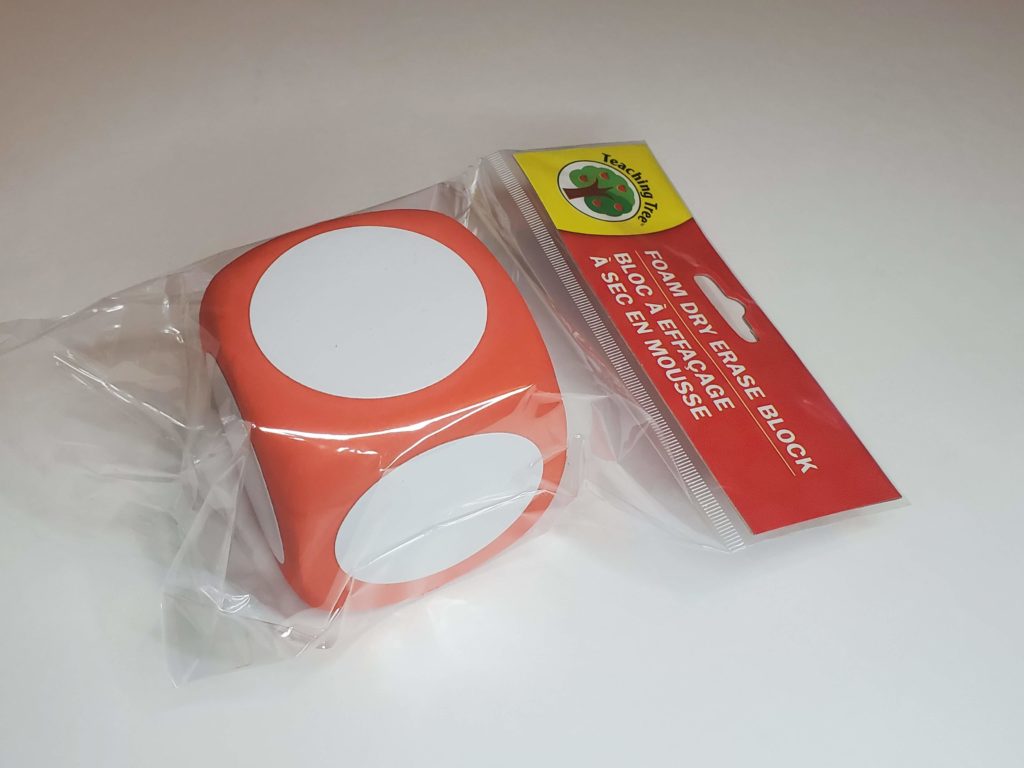
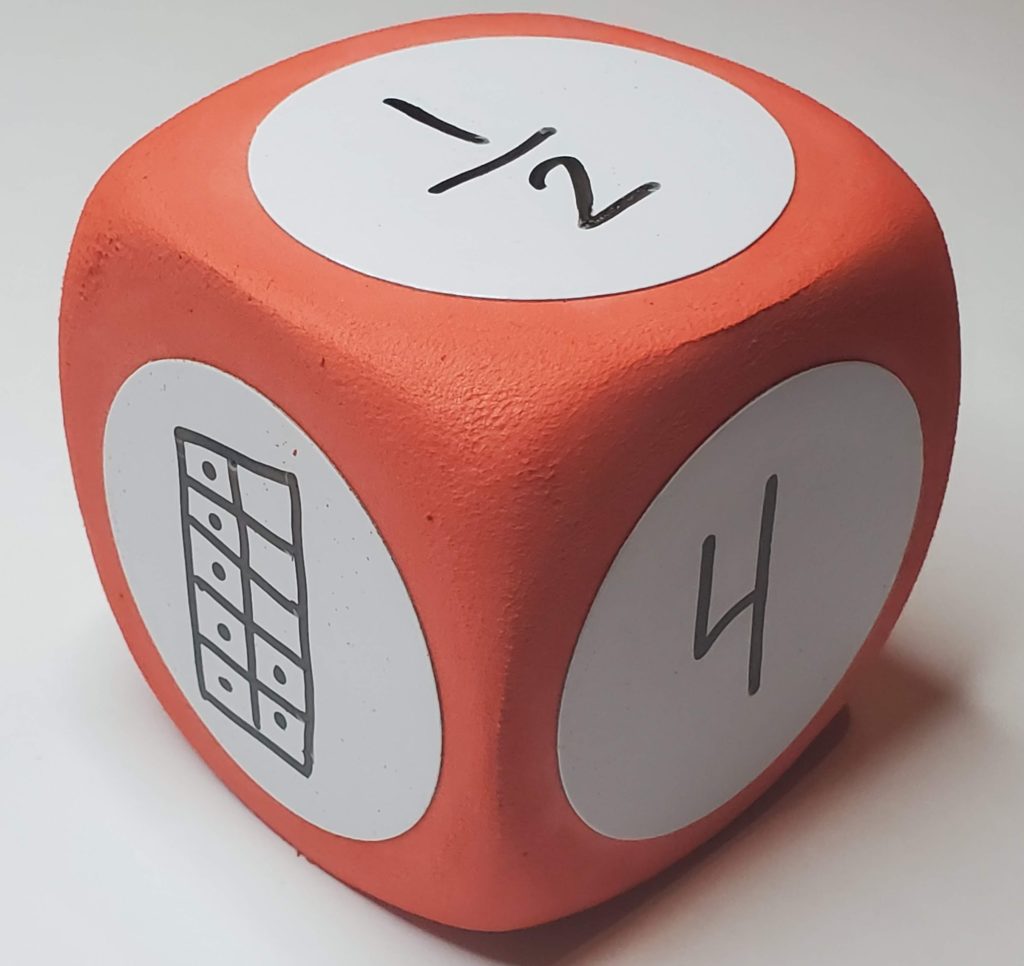
- Write numbers or fractions for students to roll and create representations of that number
- Write math vocabulary words – when students roll the block, they will explain the meaning of the vocabulary word they roll
- Write questions for students to answer about each of the problems that they solved – works for extension questions for students who finish quickly – write the steps you took to solve the problem; – what if the first factor was doubled, what would happen to the product?…..
- Easily erase and rewrite questions or problems for other tasks/activities
- Allow students to write on the blocks – “write equivalent fractions for one half”
Sand Timer
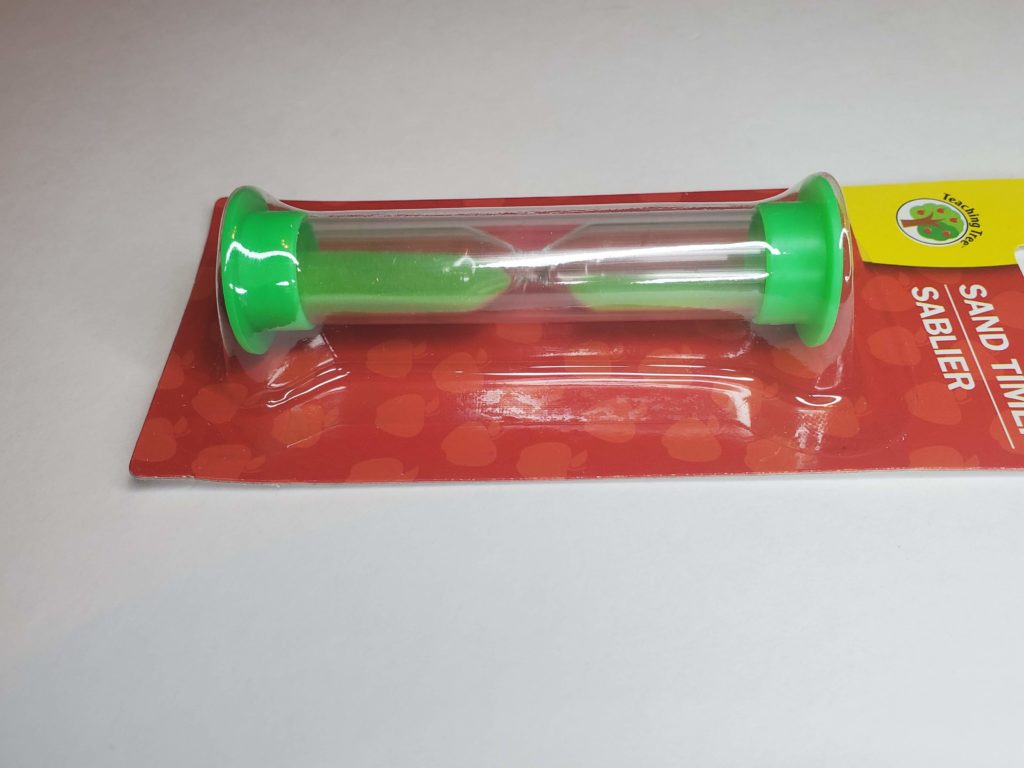
- One minute timer to practice basic facts
- Time students to build a model of an equation in one minute
- Use for individual students to time themselves with independent practice games
- Use to play minute to win it math games
Toy Farm Animals, Bugs, Lizards, Frogs, and Dinosaurs
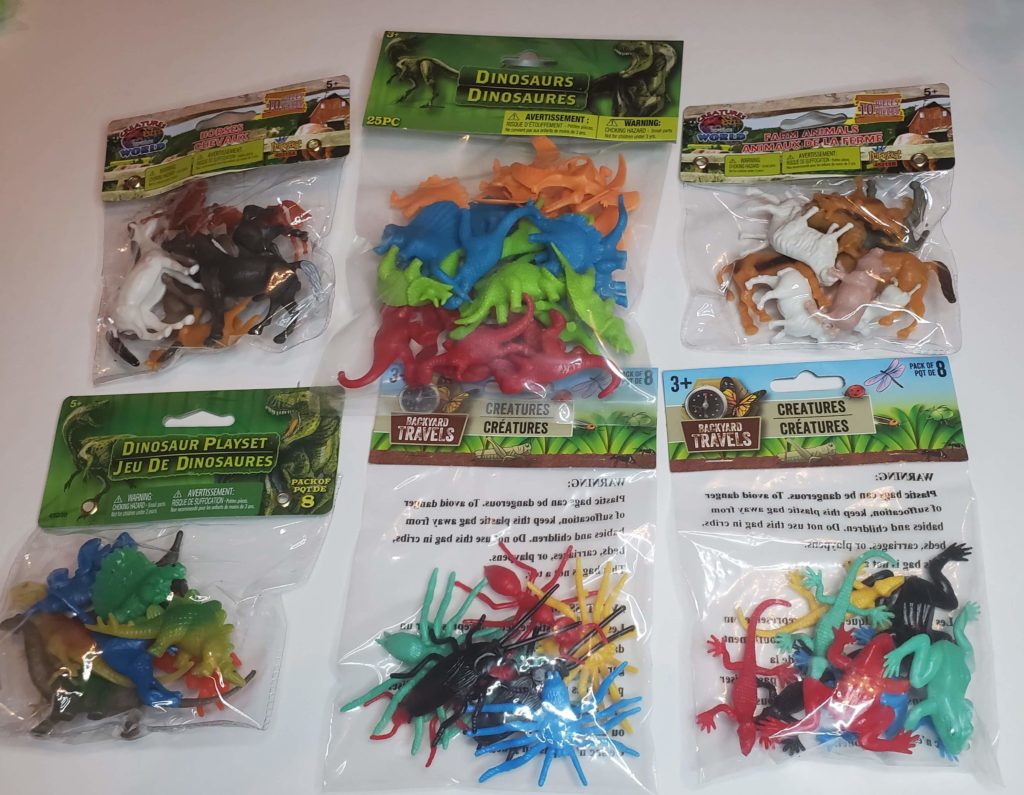
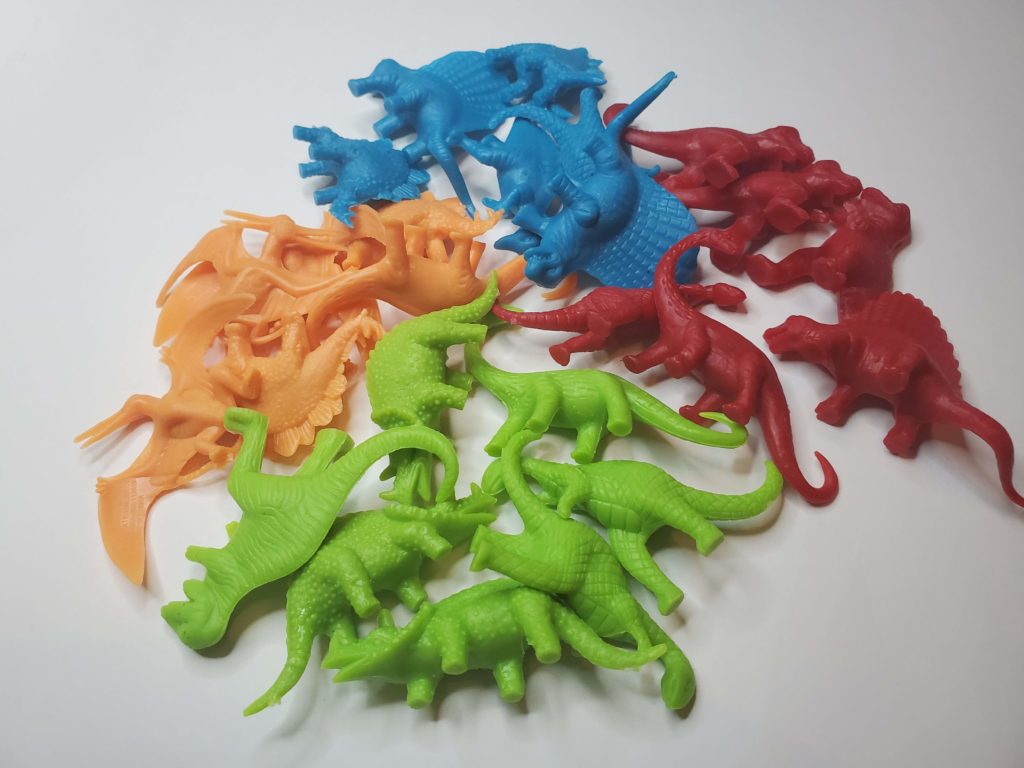
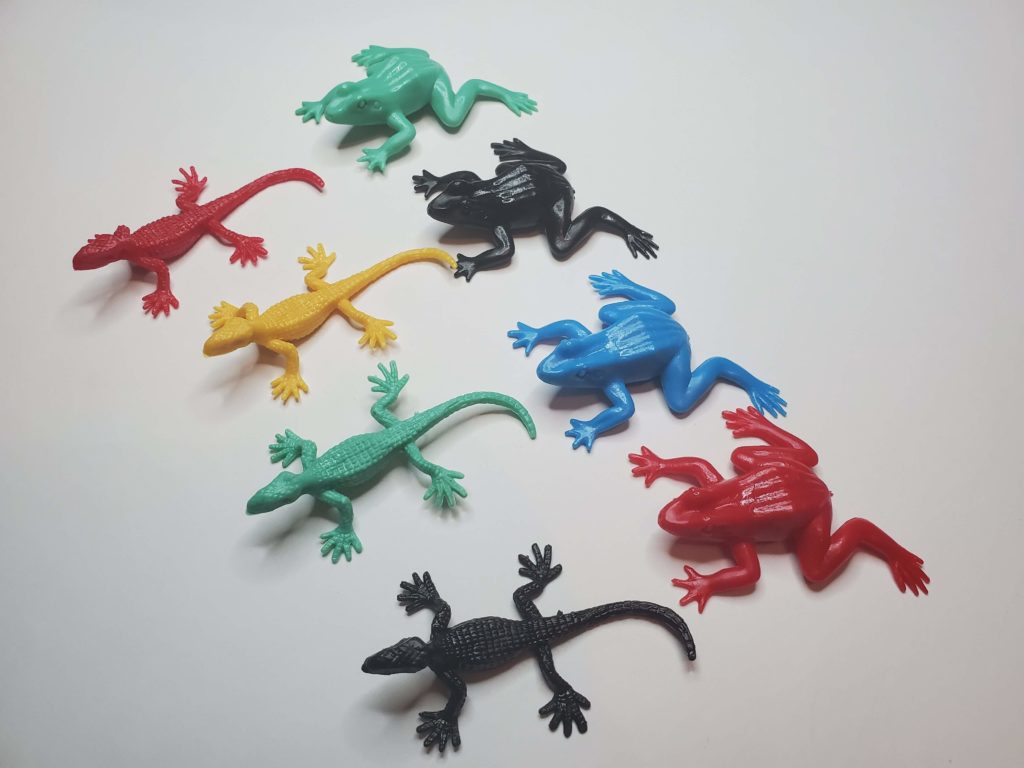
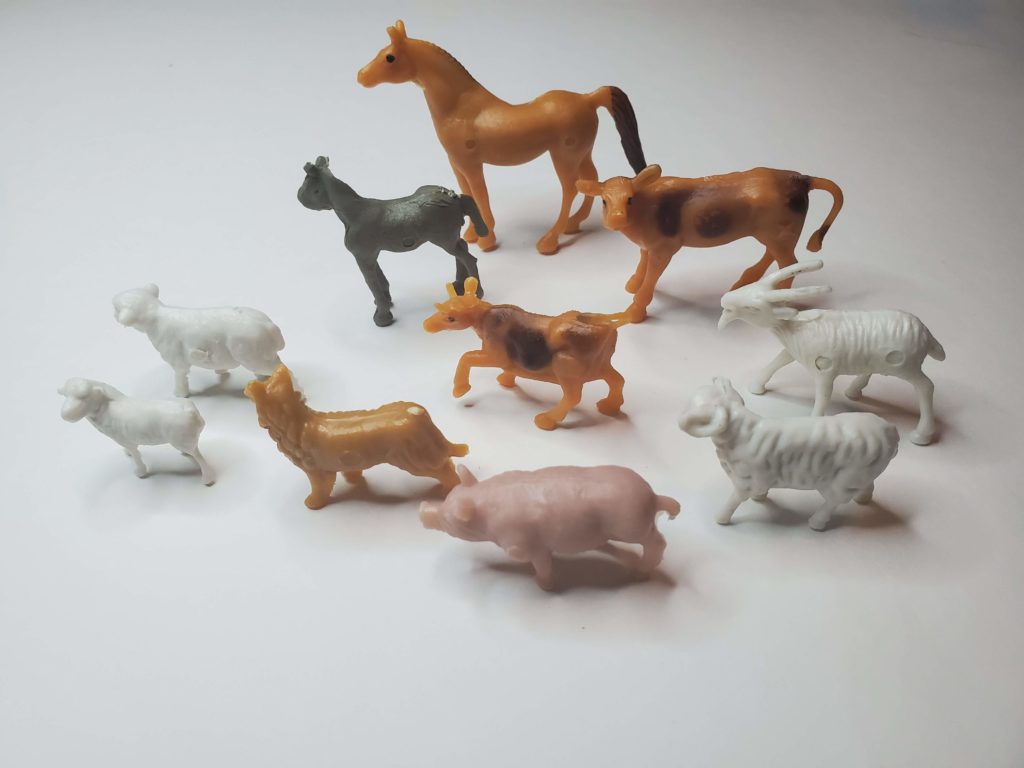
- Counting
- Ordering by size
- Sorting
- Real World Word Problems
- Doubles
- Adding more than two addends
- Repeated Addition
- Multiplying – Equal Groups
- Allow students to create their own math problems based on the creatures they are given
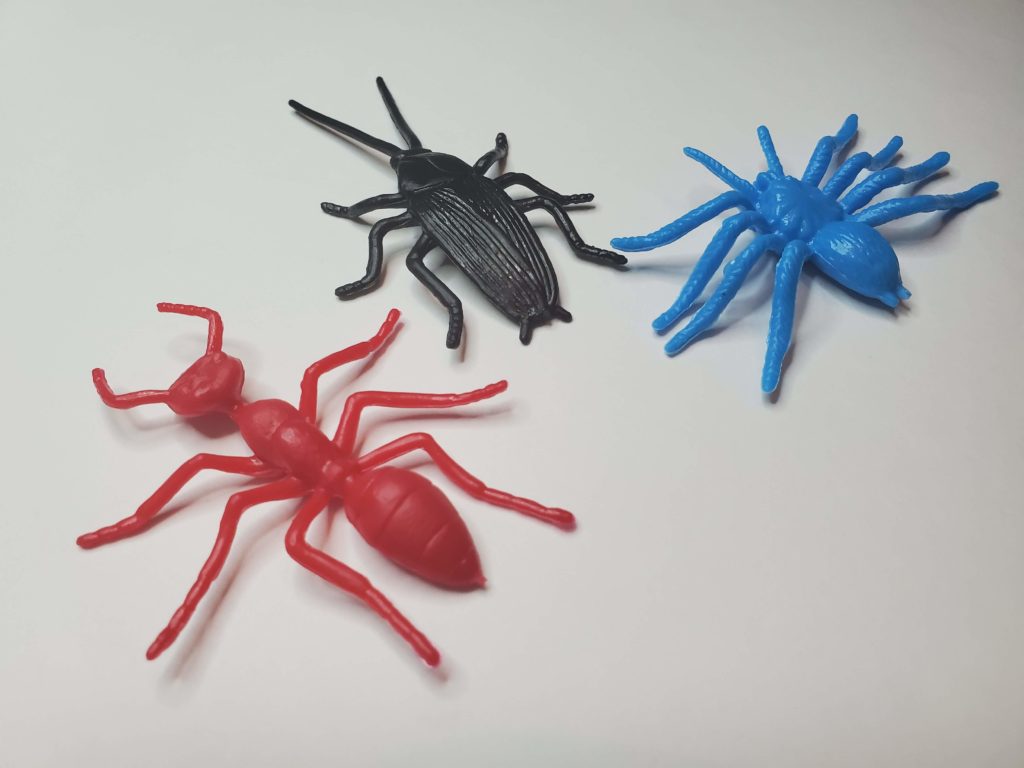
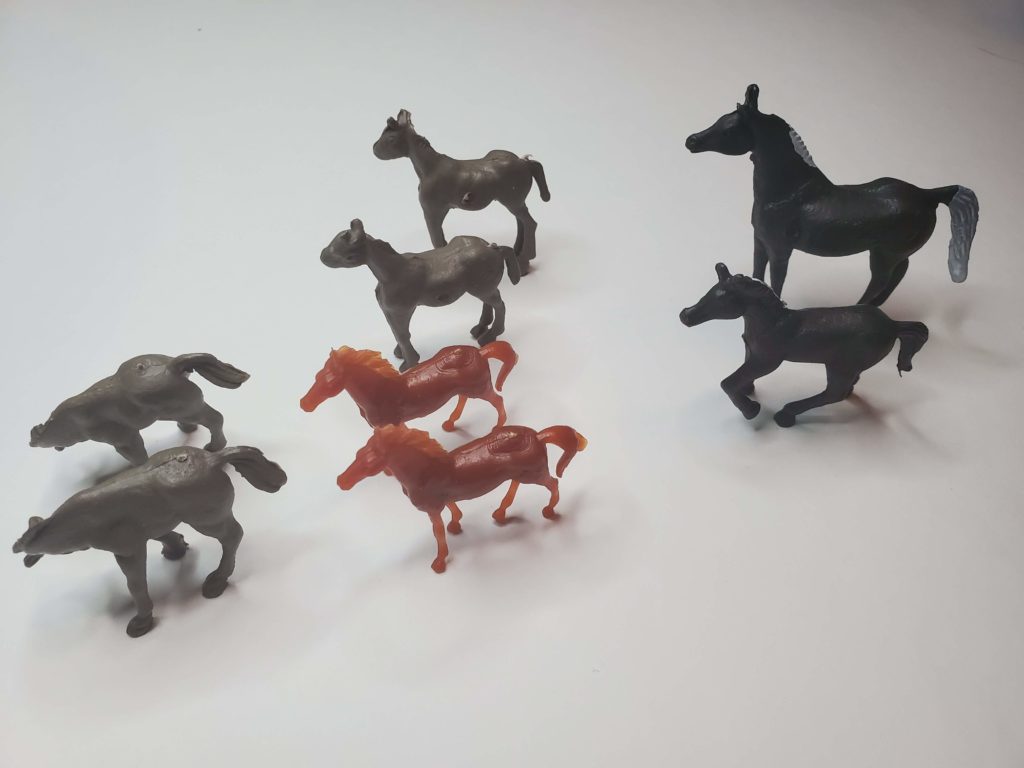
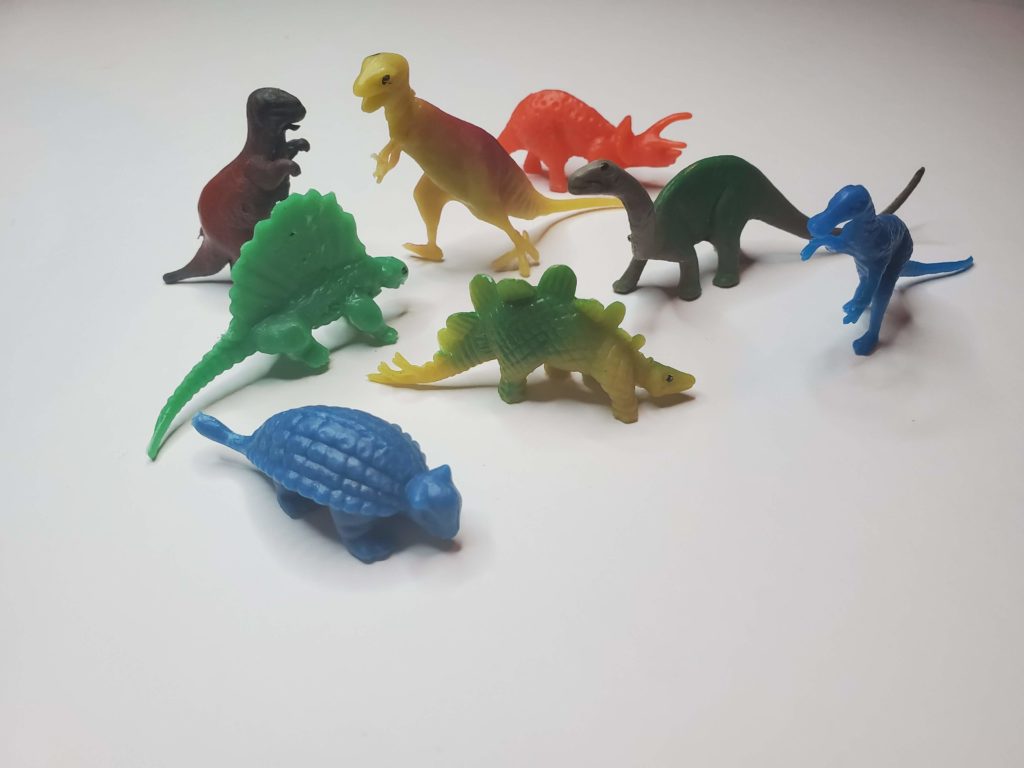
Pompoms
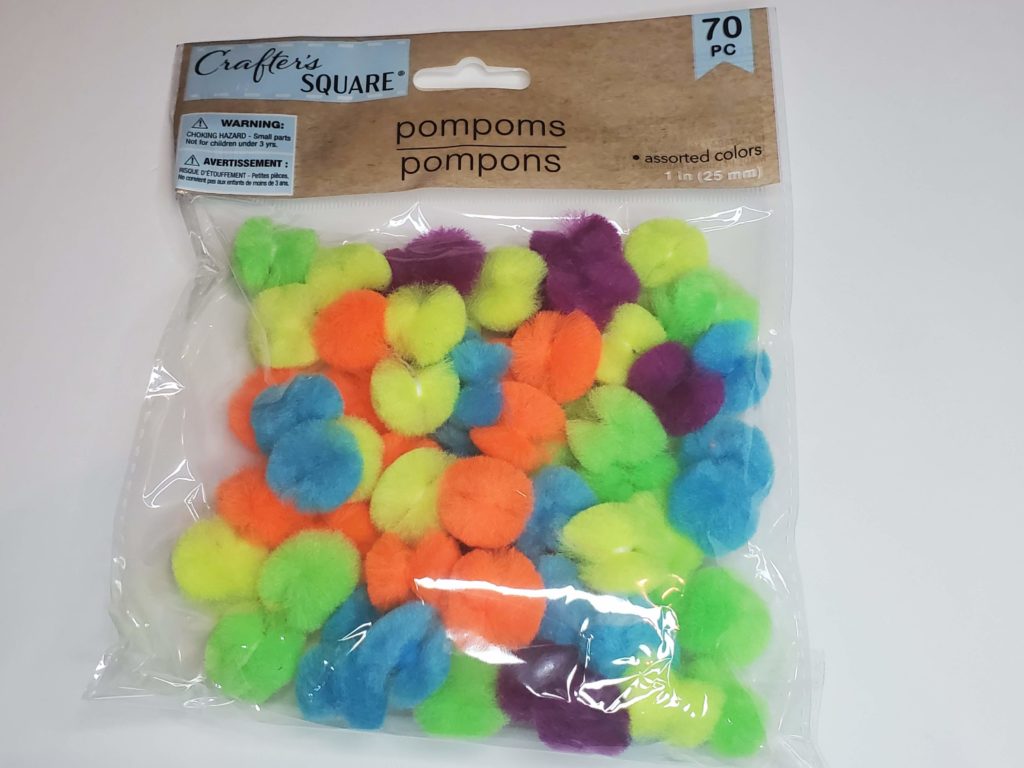
- Counting
- One to one correspondence
- Sorting by color
- Comparing
- Adding within 10 and 20
- Subtracting within 10 and 20
- Multiplying – creating equal groups or arrays
- Dividing – sharing out into equal shares
Play Money
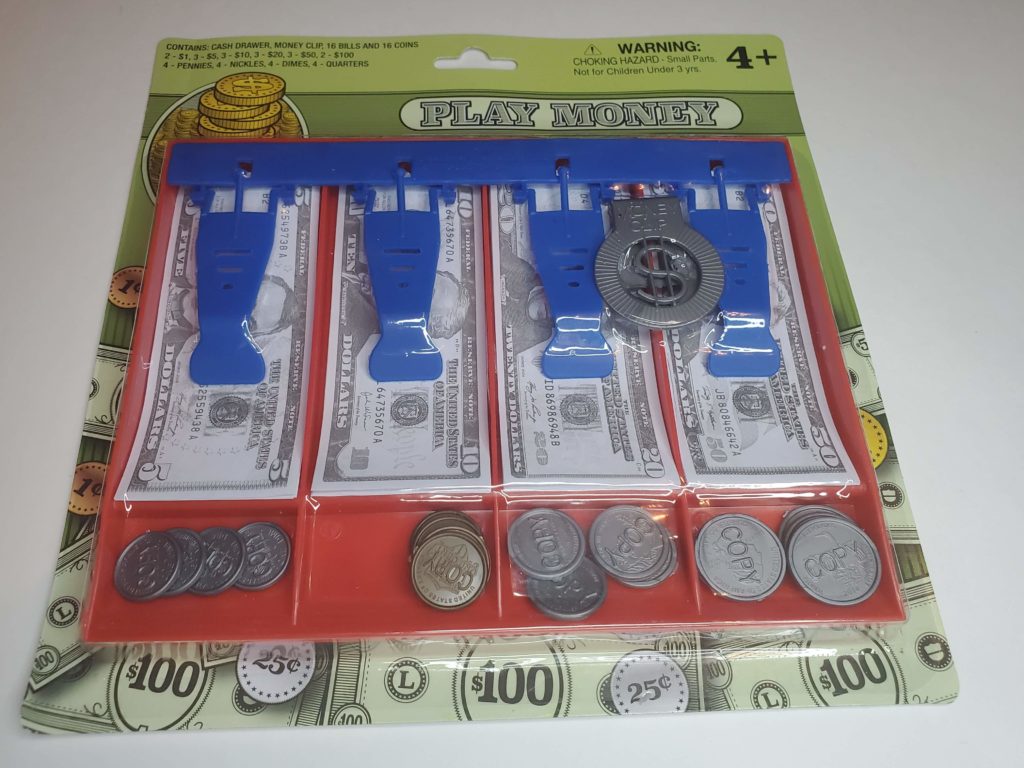
- Counting and sorting coins and dollars
- Adding combinations of coins and/or dollars
- Repeated addition
- Multiplying groups of the same coin or dollar
Foam Dice
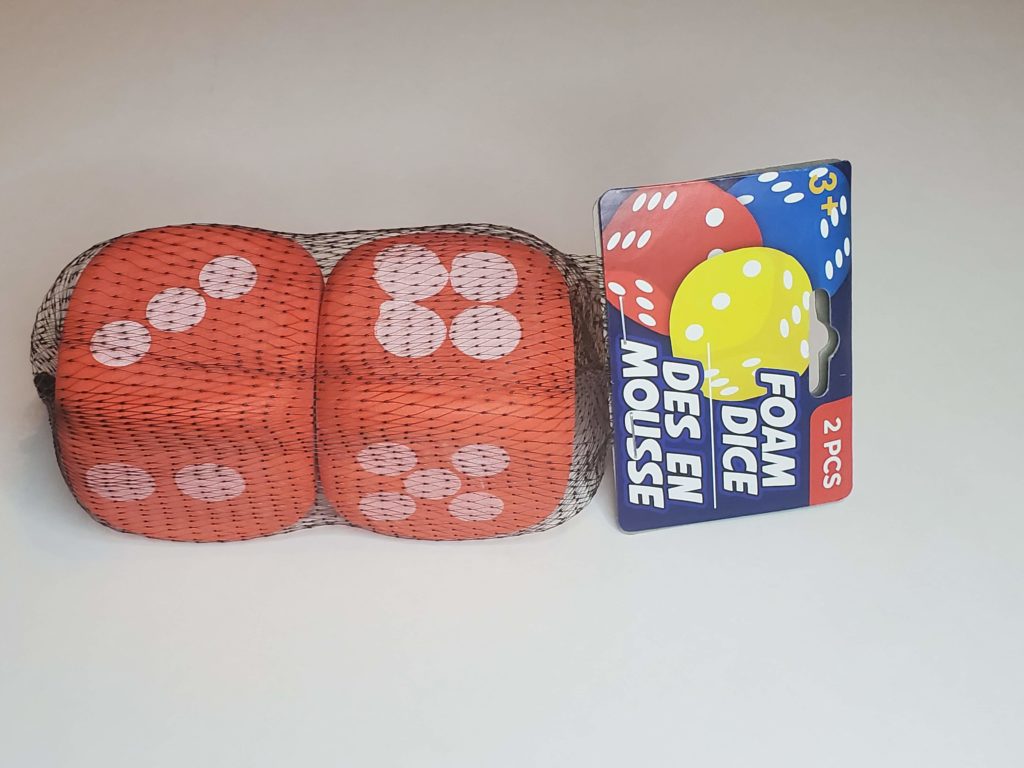
- Subitizing – have the student quickly identify what amount is shown on the die when they roll it
- Roll and add the numbers
- Make 10 – throw one die on the ground or against the wall, whatever it lands on, figure out the number you need to add to it in order to make 10. Do the same thing in order to Make 20 by using both dice. This can be modified to make any number within 20.
Dice Game
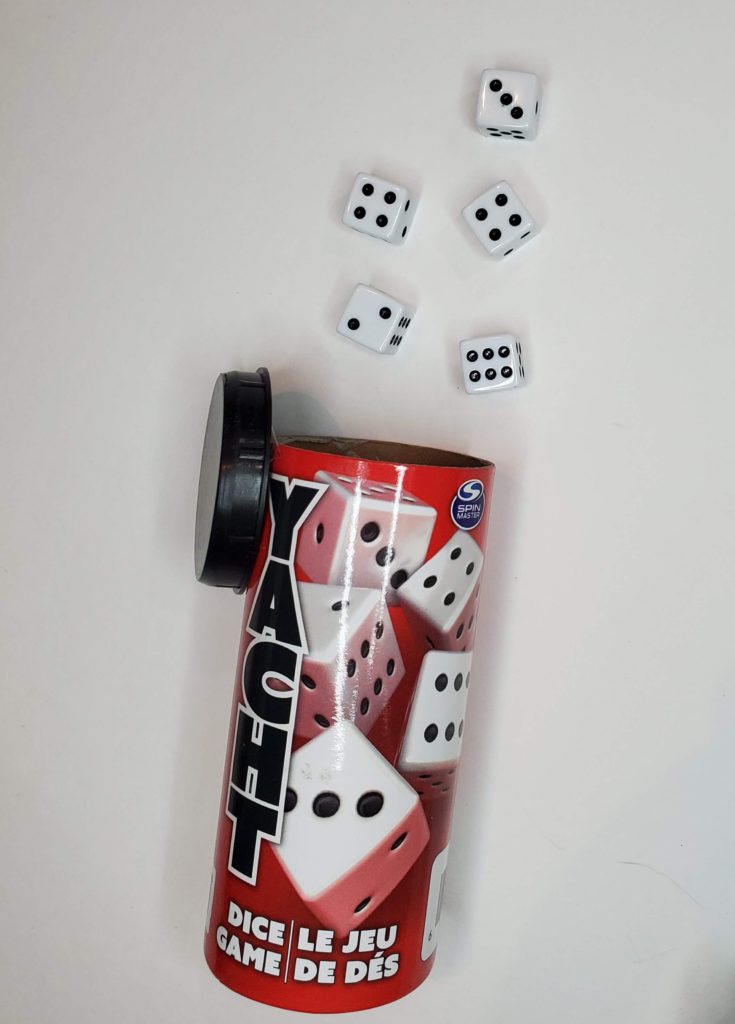
- Use the dice from the game
- Subitizing and counting on
- Addition two, three, or four addends at a time
- Part-Part-Whole
- Roll the dice to create two, three, four, or five digit numbers to practice Place Value
- Roll two dice and multiply both numbers to find a product
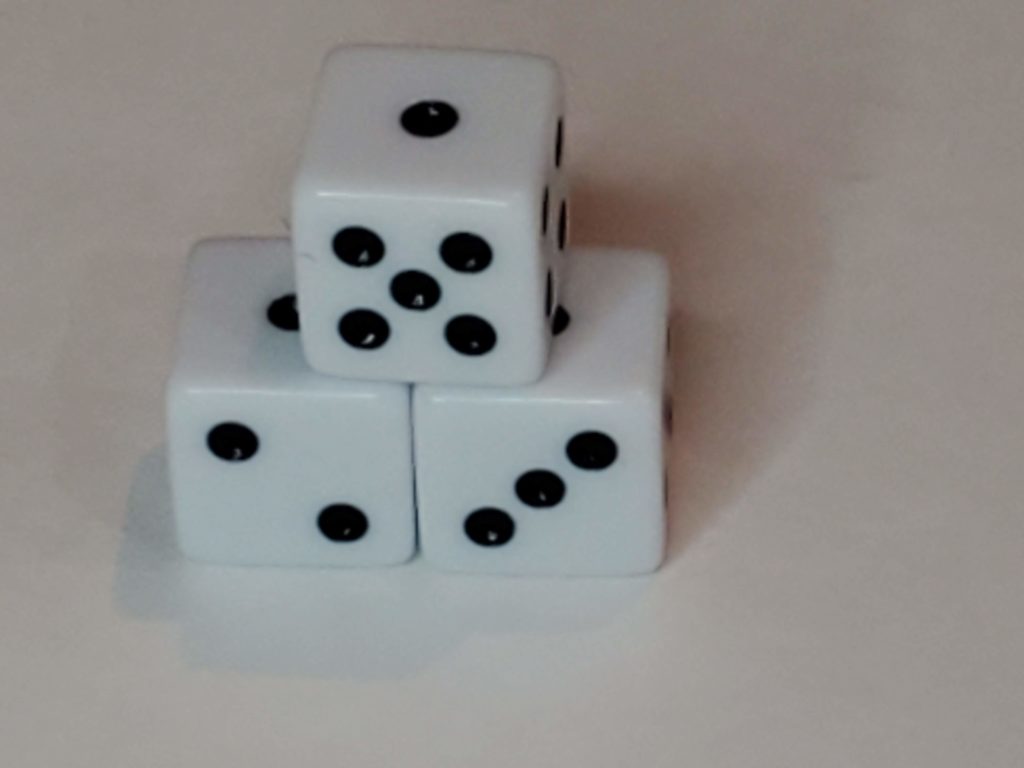
Playing Cards
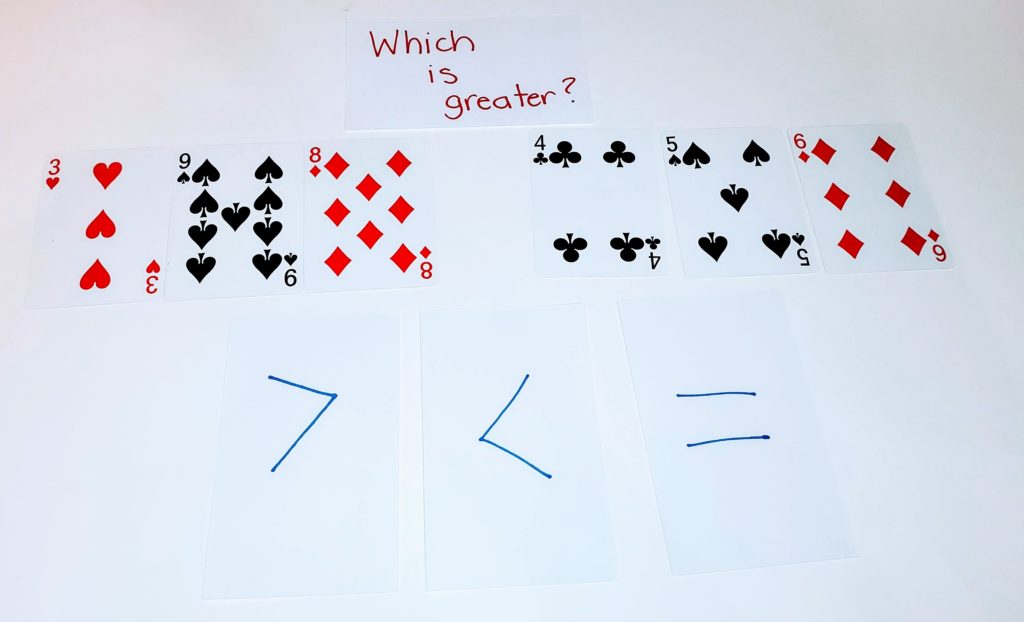
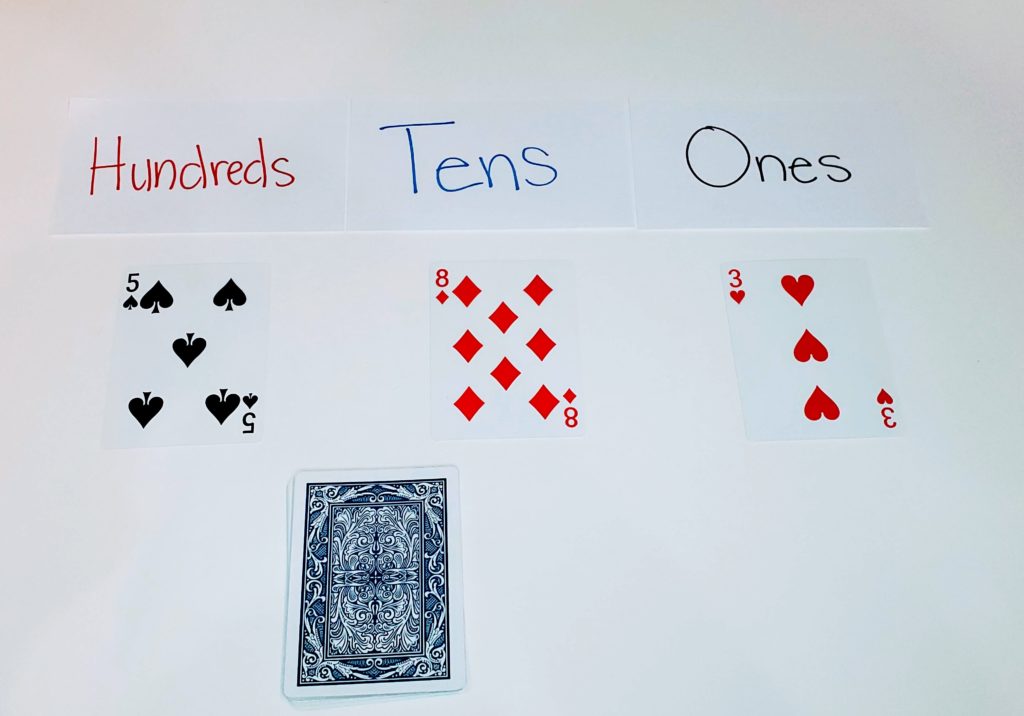
- Play games to practice
- Counting
- Addition
- Subtraction
- Multiplication
- Missing addend
- Missing factor
- Place value
- Comparing numbers
- Skip counting
Test Tubes with Holder
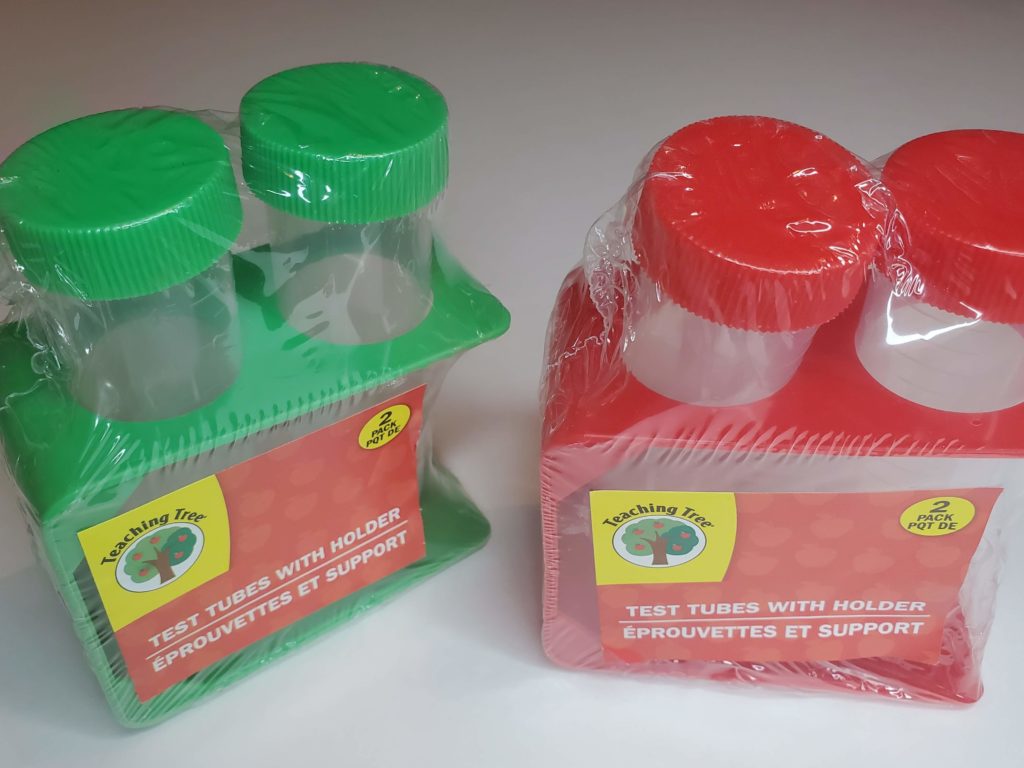
- Use to measure liquid volume
- Answer comparing questions such as “how many more” or “how many fewer” using addition and subtraction
Make It Blocks – Building Blocks
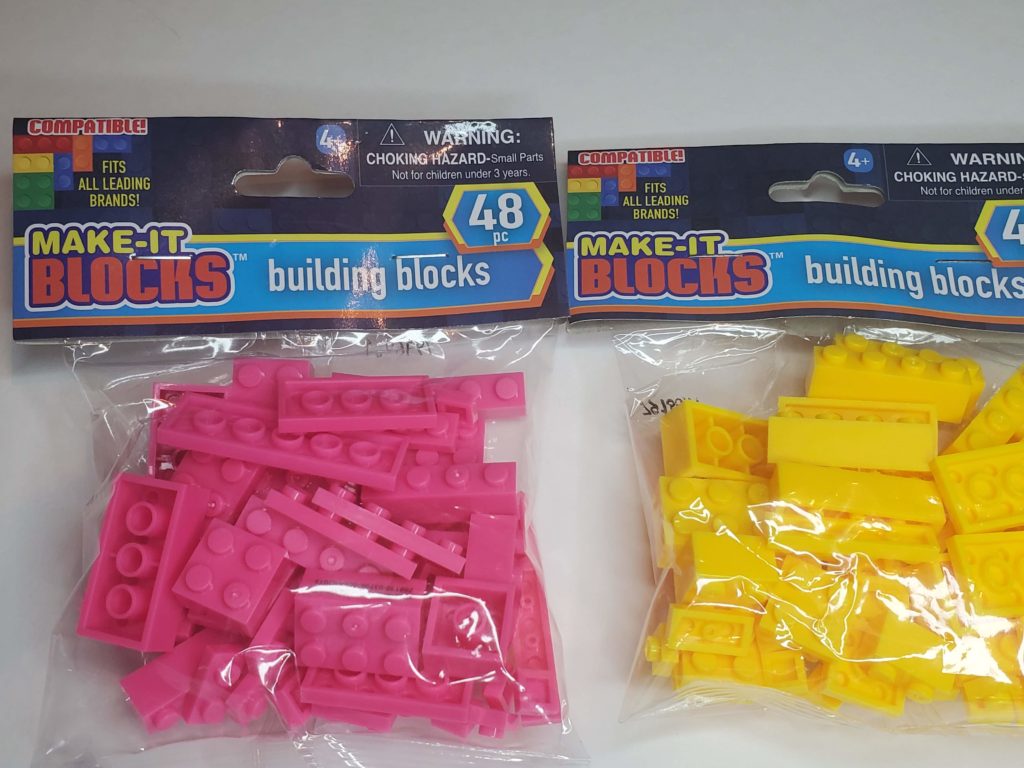
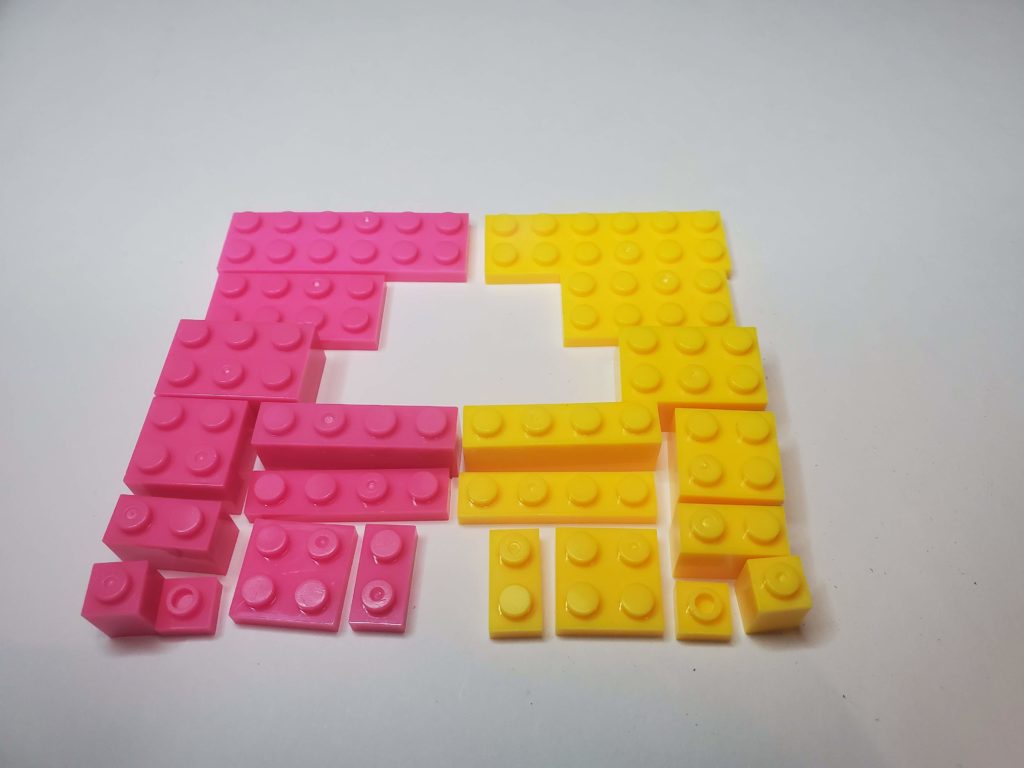
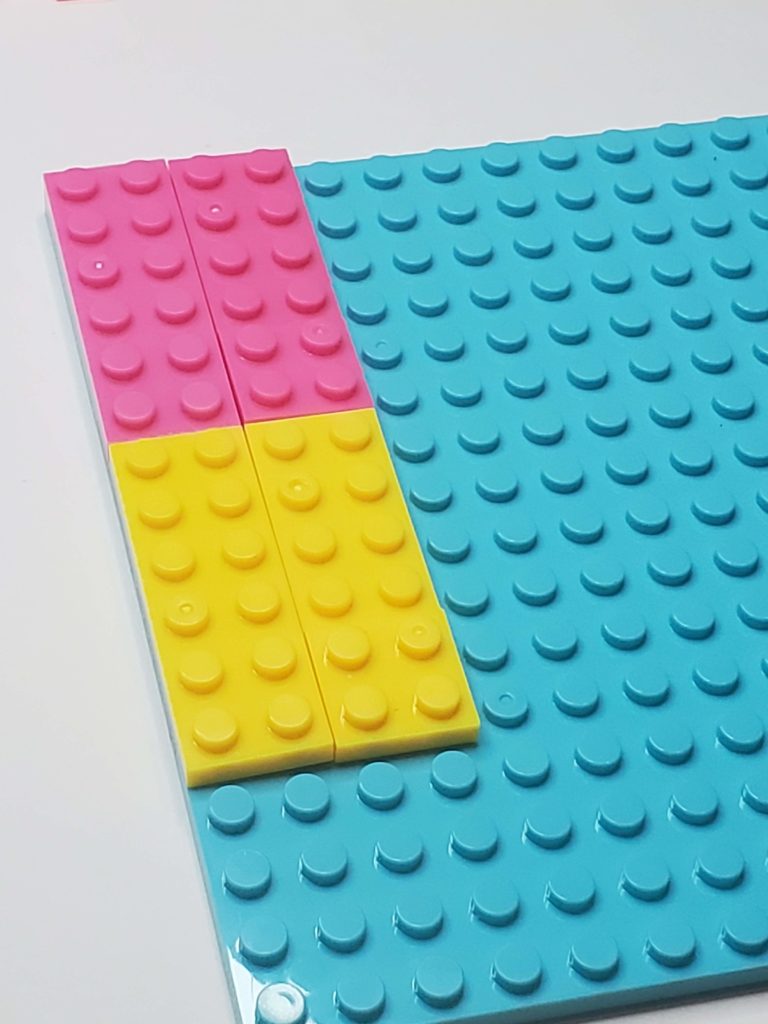
- Practice creating arrays
- Use two colors of blocks to represent the distributive property
- Students can use blocks to represent multiplication and division equations
Paper Cups
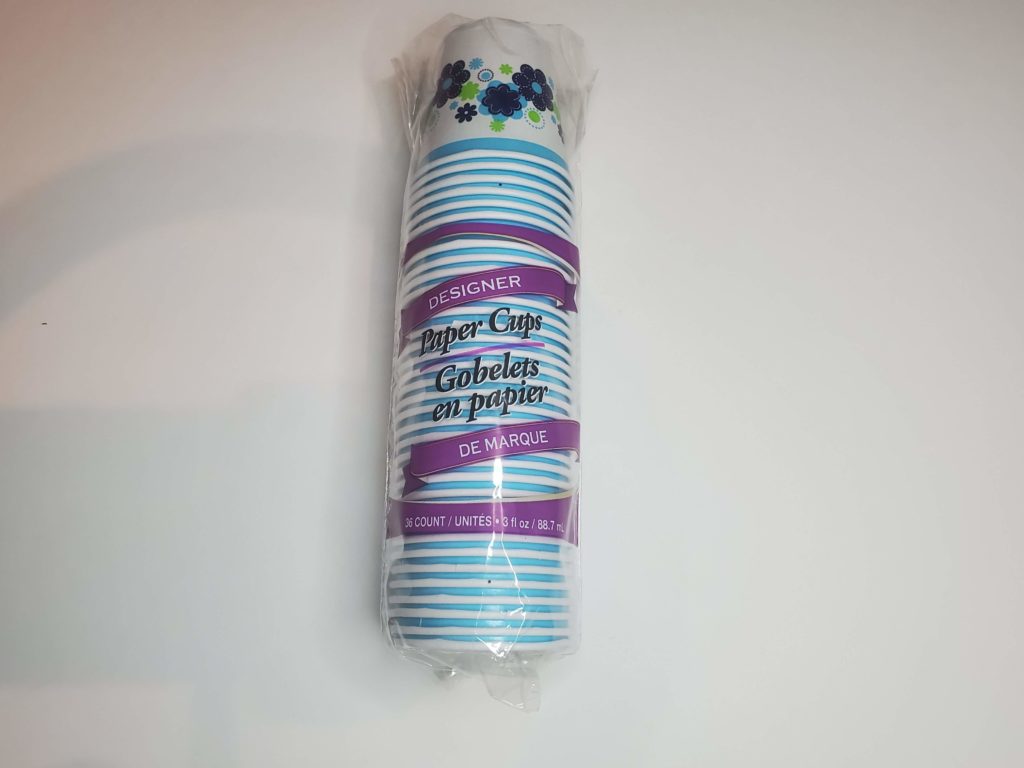
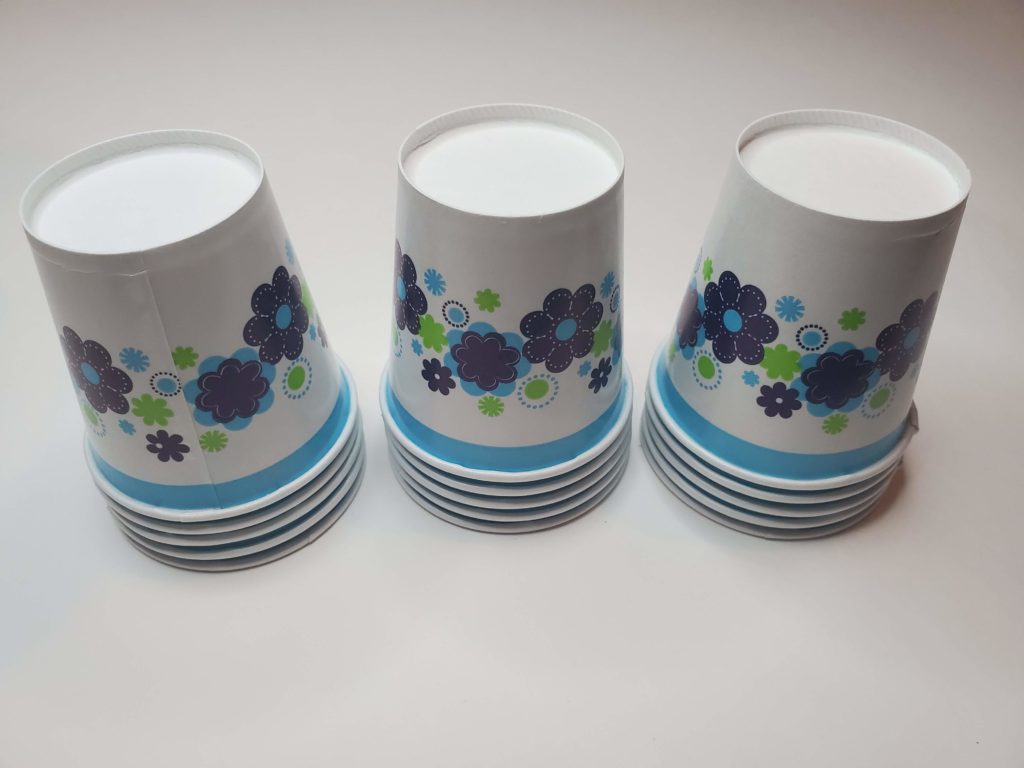
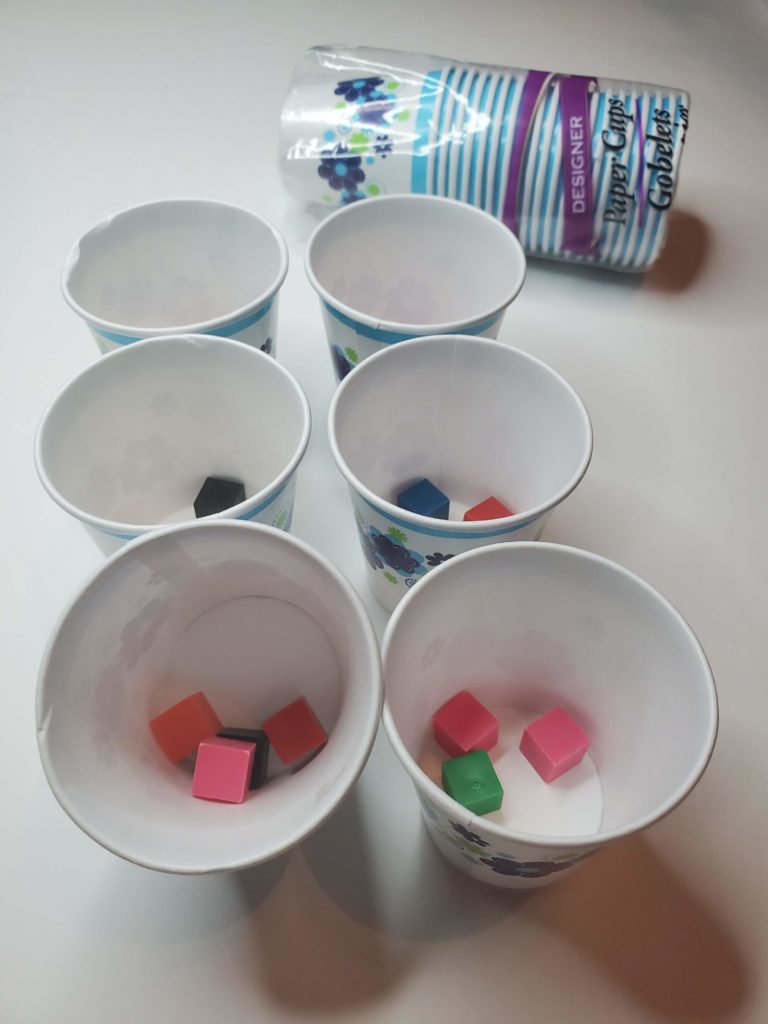
- Represent equal groups (e.g. 3 groups of 4 cups is 12 cups)
- Create arrays by making rows
- Sort objects by color, size, or type
- Use to represent real world problem situations where students are putting actual items into cups
Acrylic Gems/Glass Gems
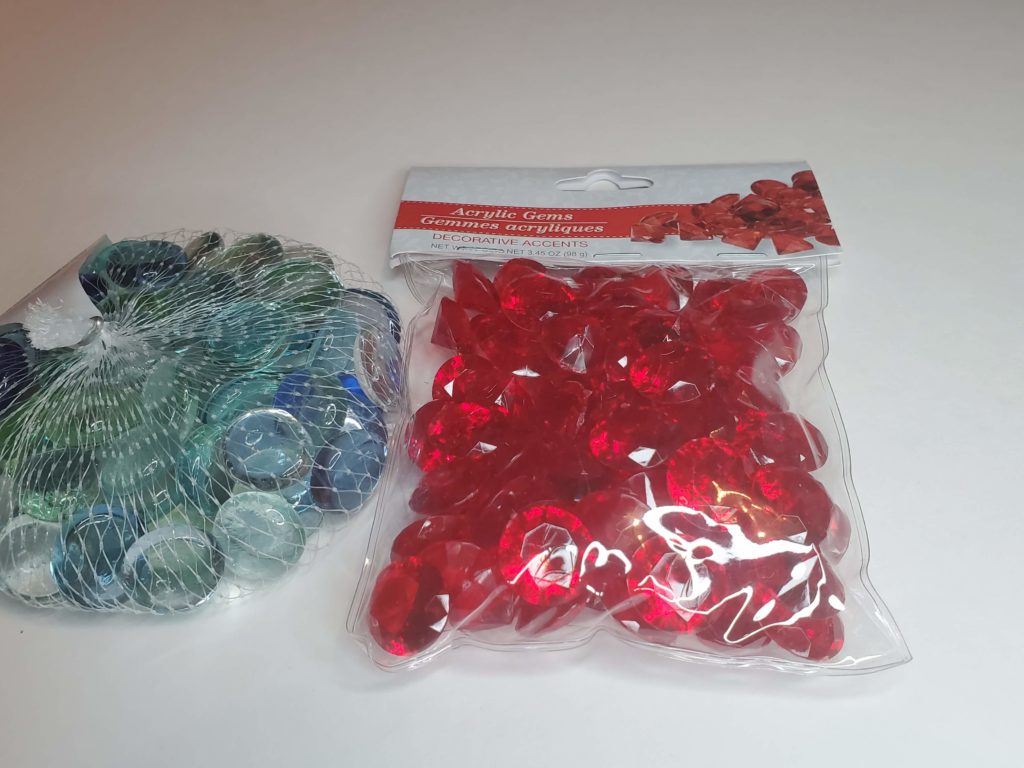
- Counting
- One to one correspondence
- Sorting by color
- Comparing
- Adding within 10 and 20
- Subtracting within 10 and 20
- Multiplying – creating equal groups or arrays
- Dividing – sharing out into equal shares
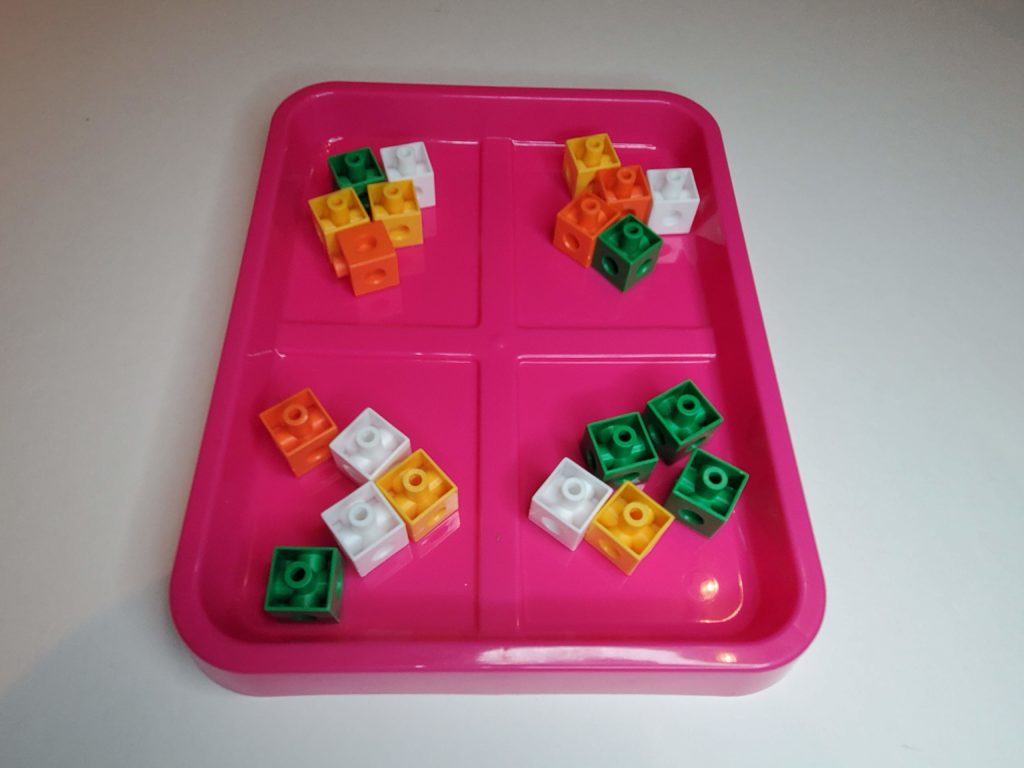
Activity Tray
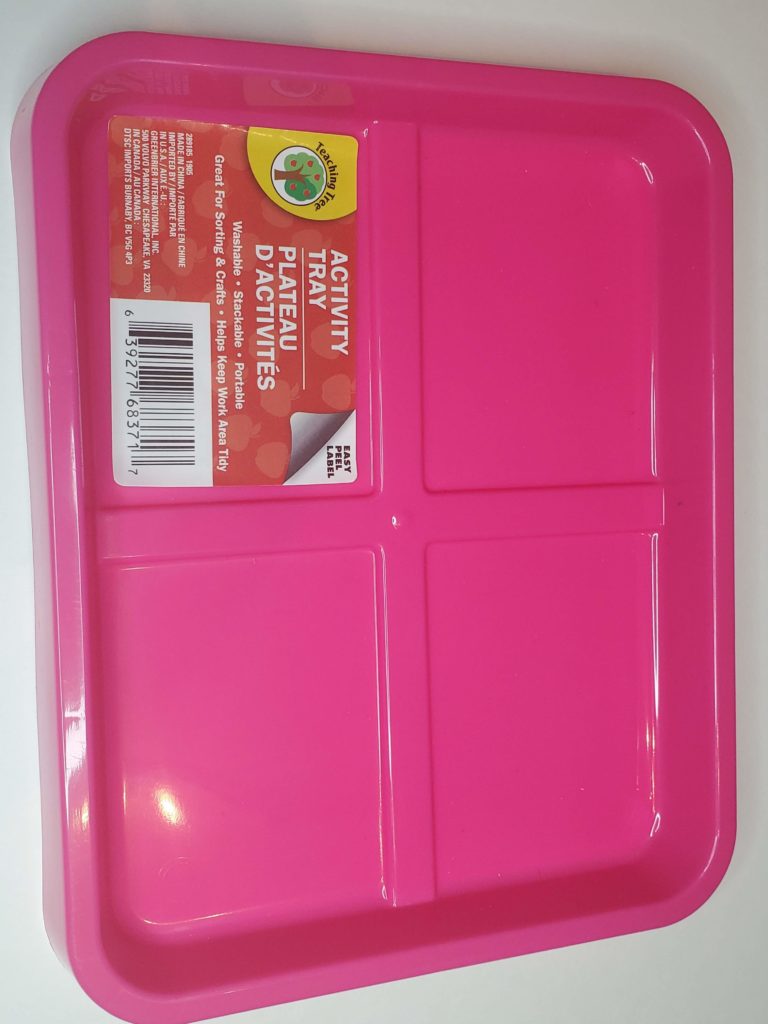
- Use to practice 4s facts by making four groups of a number
- Sort items into groups
- Use to represent the area model for multiplication – solve 2 by 2, 2 by 1, or 1 by 2 problems
- Use to as a holder when sorting or counting coins
- Hold a set of manipulatives that you want a specific student or group to use during an activity
Index Cards
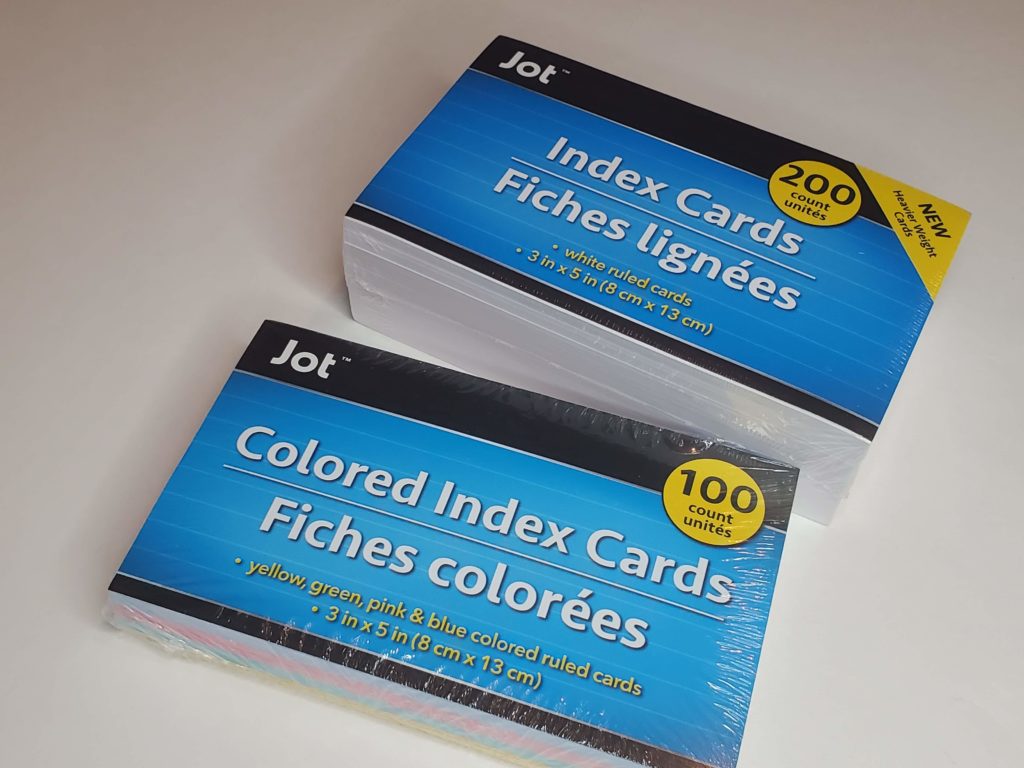
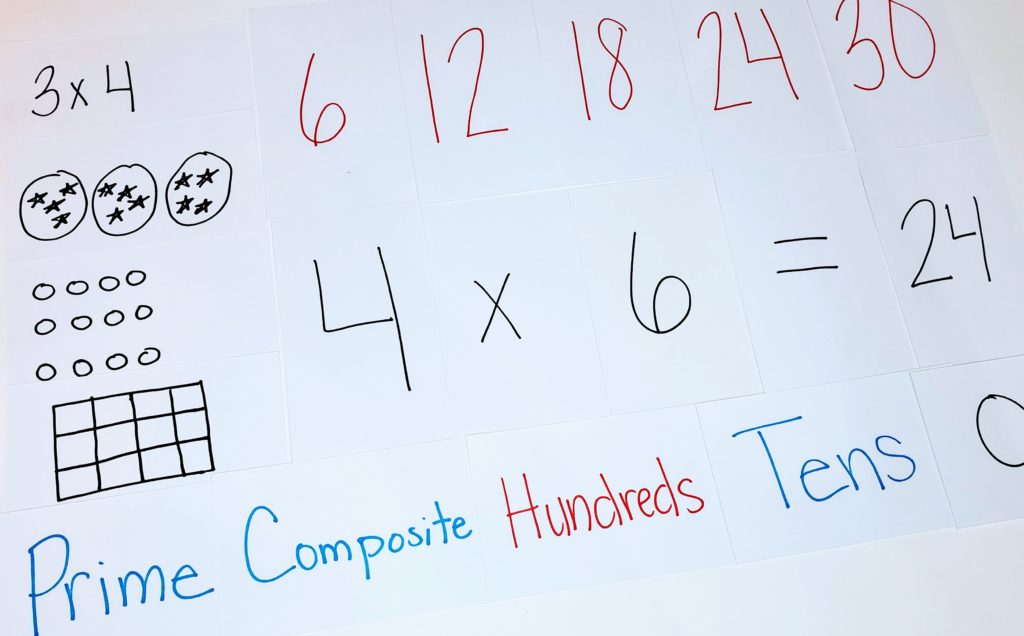
- Write equations to match models
- Create labels
- Math facts
- Write numbers on cards to practice:
- Ordering
- Counting
- Sorting
- Place value
- Factors
- Multiples
- Prime
- Composite
Clear Plastic Tumblers (Cups) or Bowls
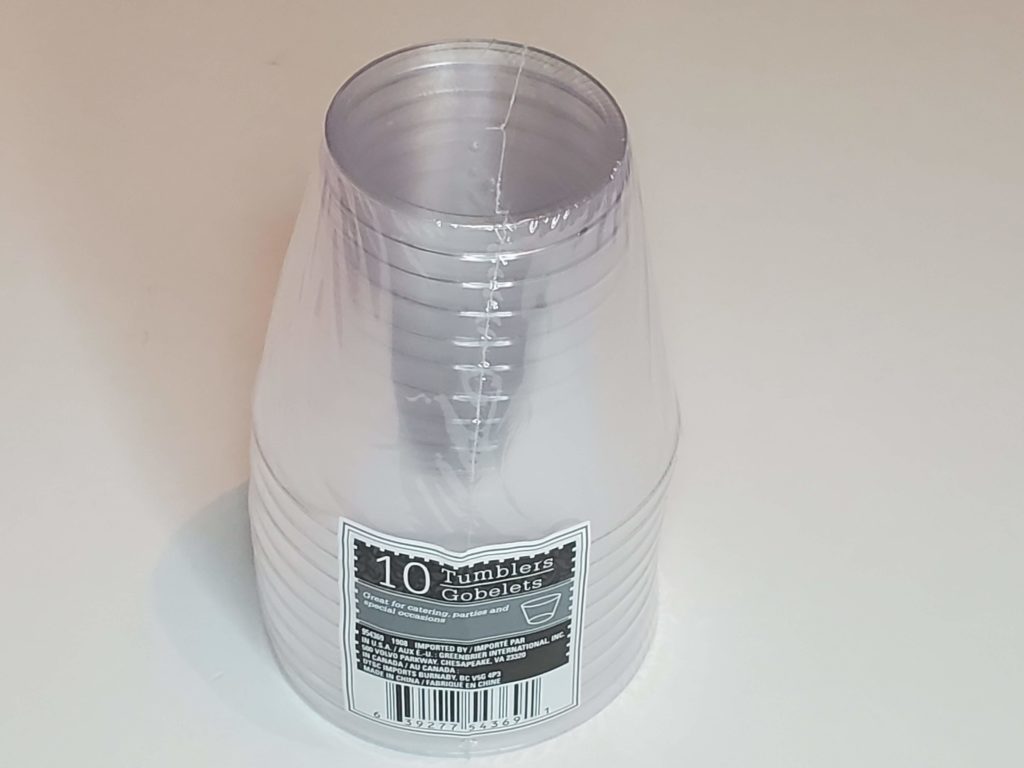
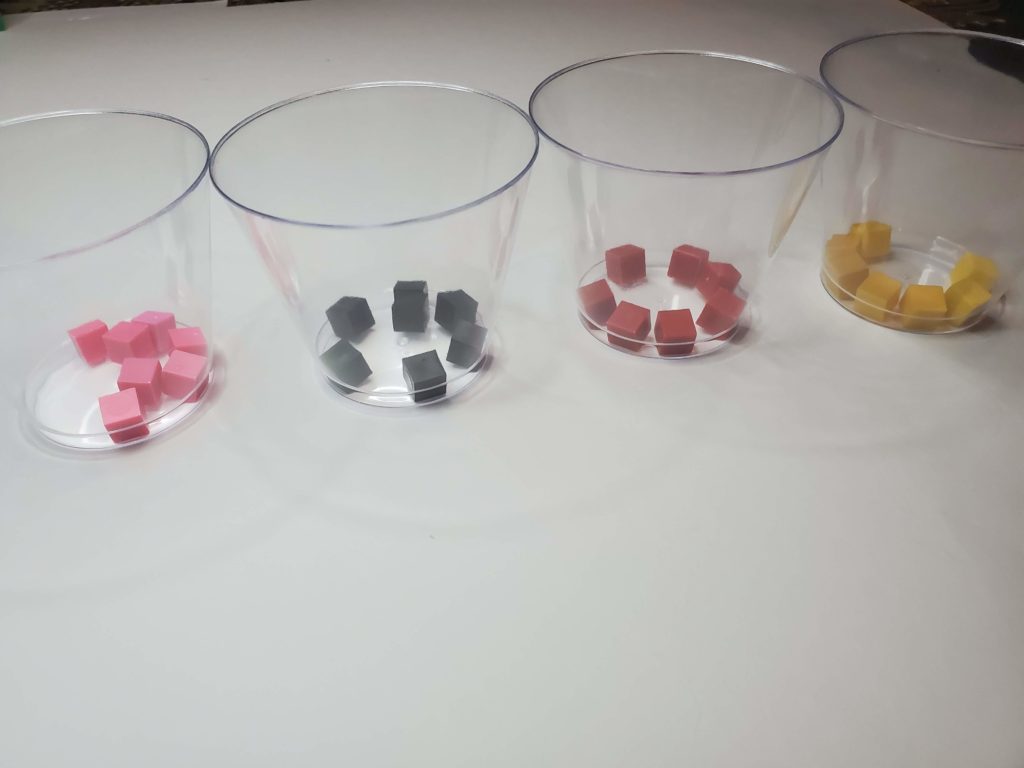
- Represent equal groups
- Create arrays by making rows
- Sort objects by color, size, or type
- Use to represent real world problem situations where students are putting actual items into cups
Chenille Stems
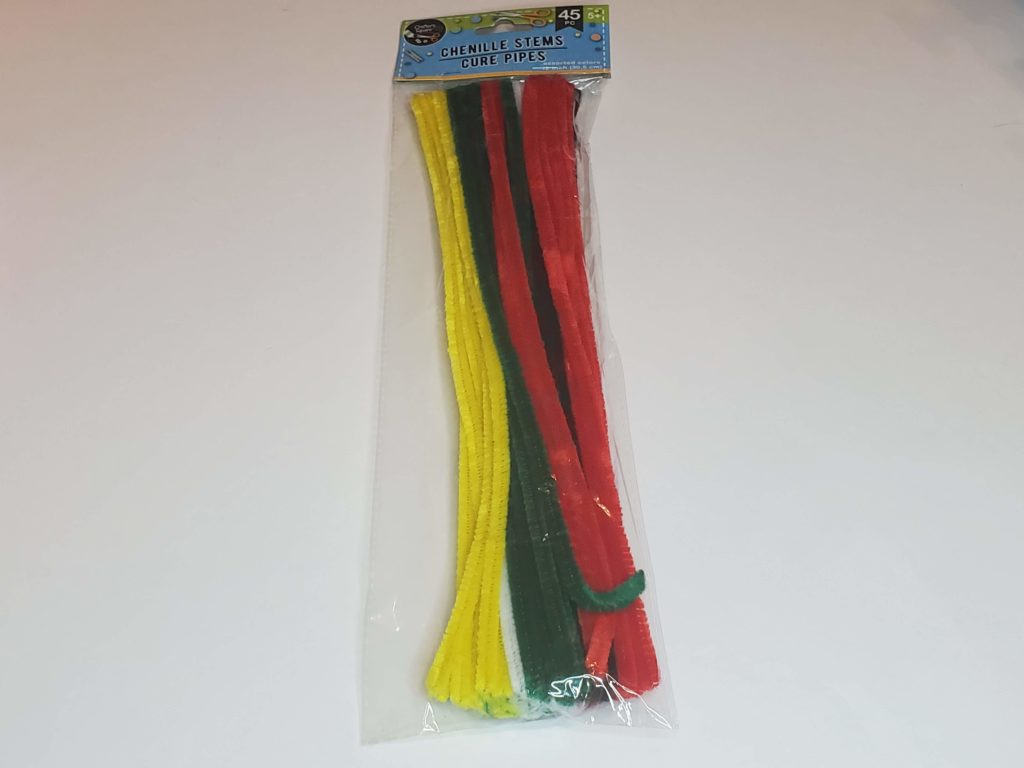
- Sorting
- Counting
- Making a number
- Angles
- Geometry
- Measurement
- Number Bonds
Hair Elastics
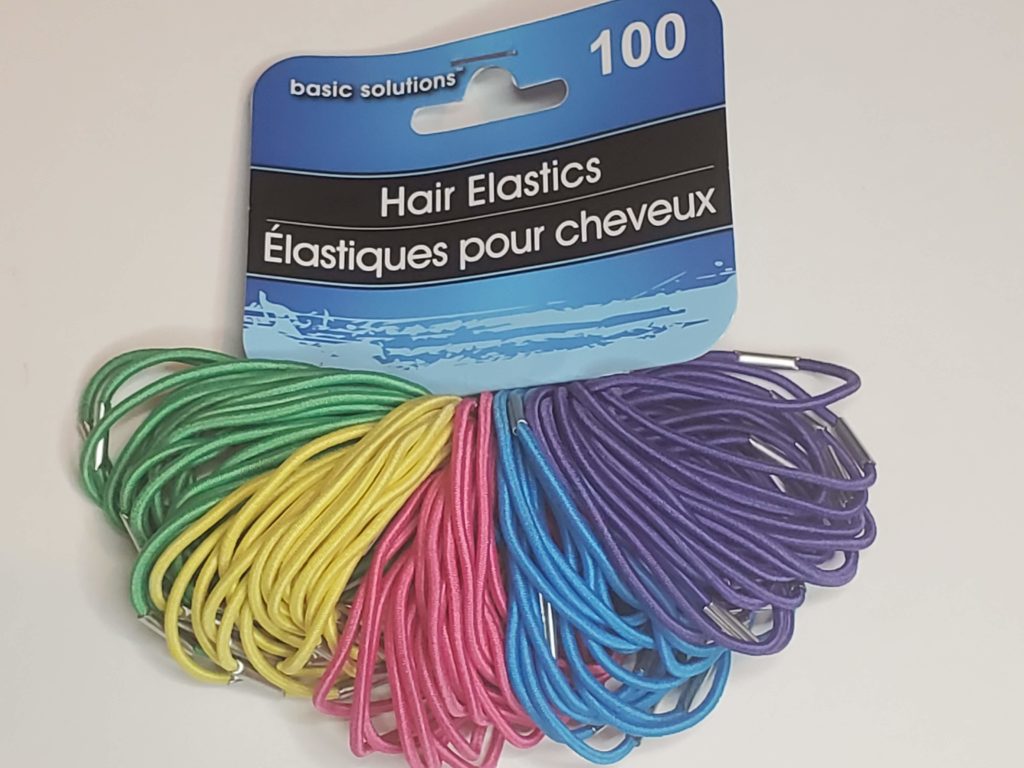
- Sorting
- Counting
- Equal groups
- Division (sharing)
- Grouping objects
Brown Paper Bags
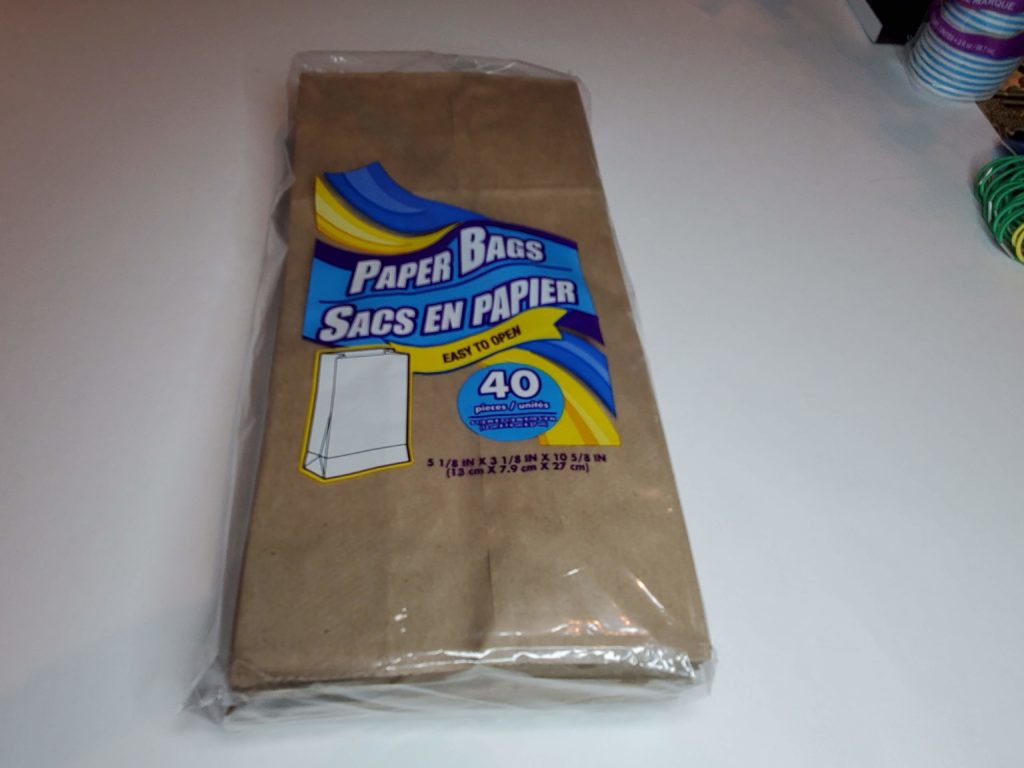
- Use to represent real world problem situations where students are putting actual items into bags
- Write numbers on the envelopes to practice counting and identify numerals
- Order numbers from 1-5, 1-10 or 1-20
- Create Scavenger Hunt or Crack the Code tasks and place them in bags to hold clues or instructions
- Sort objects into the bags
- Mystery Number – write clues on the outside of the bag and students have to figure out what the mystery number inside is
Sudoku Puzzle Book
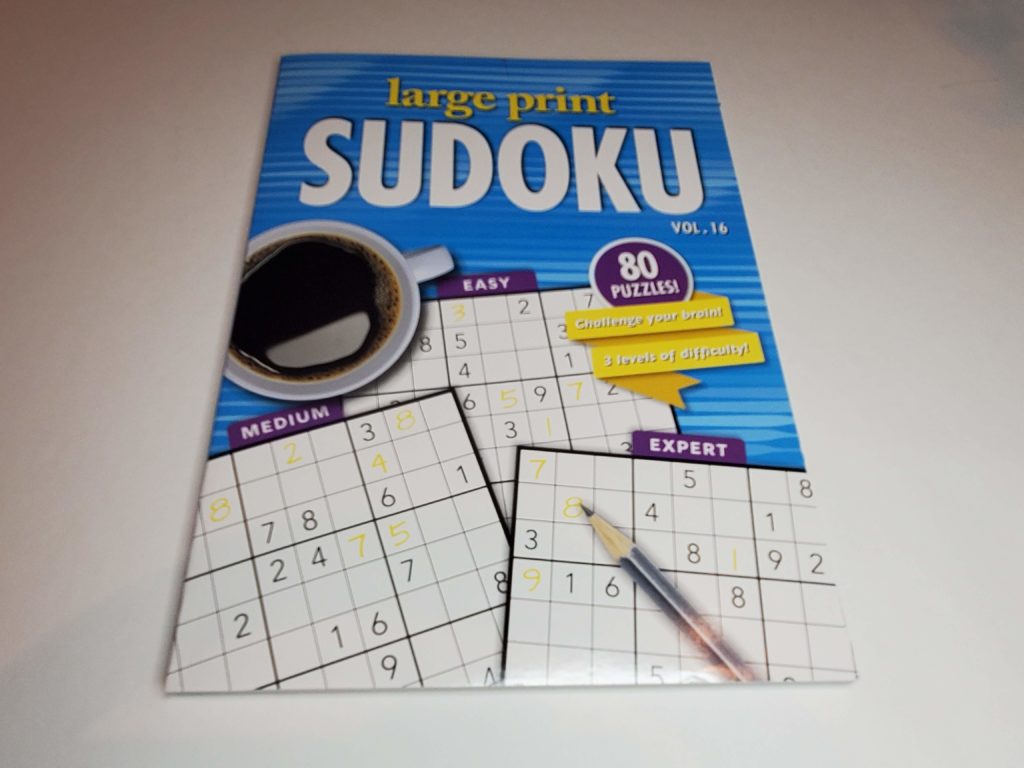
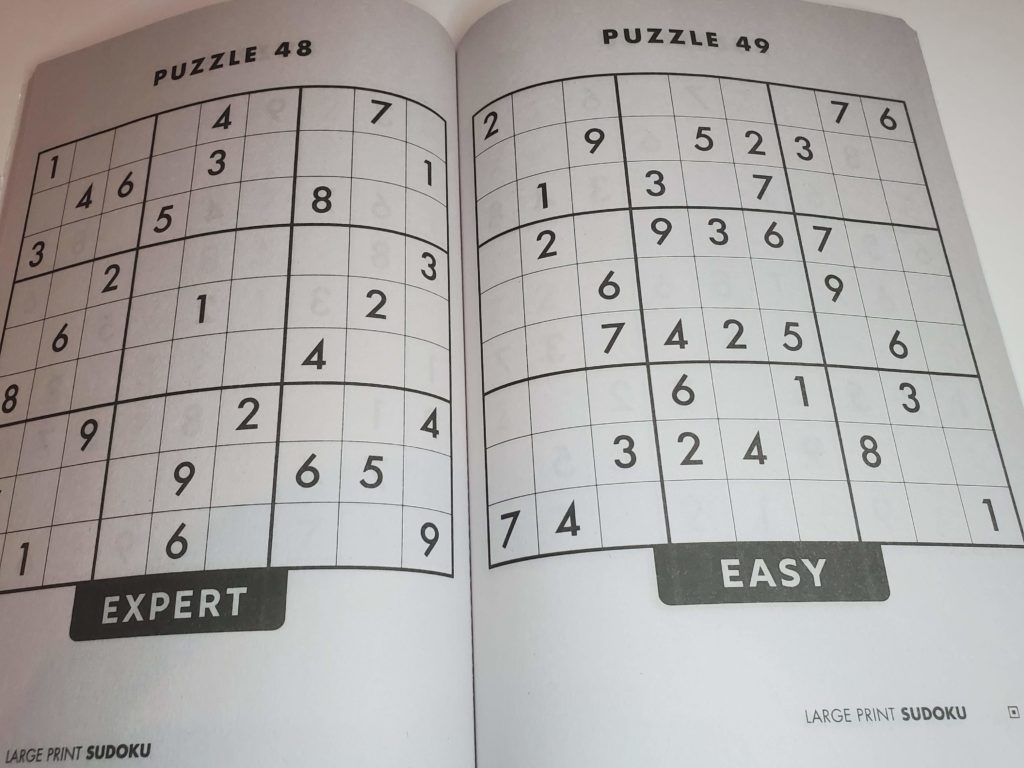
- Paper puzzle book to practice logic and reasoning skills
- Use for early finishers or as fun homework
Wood Beads
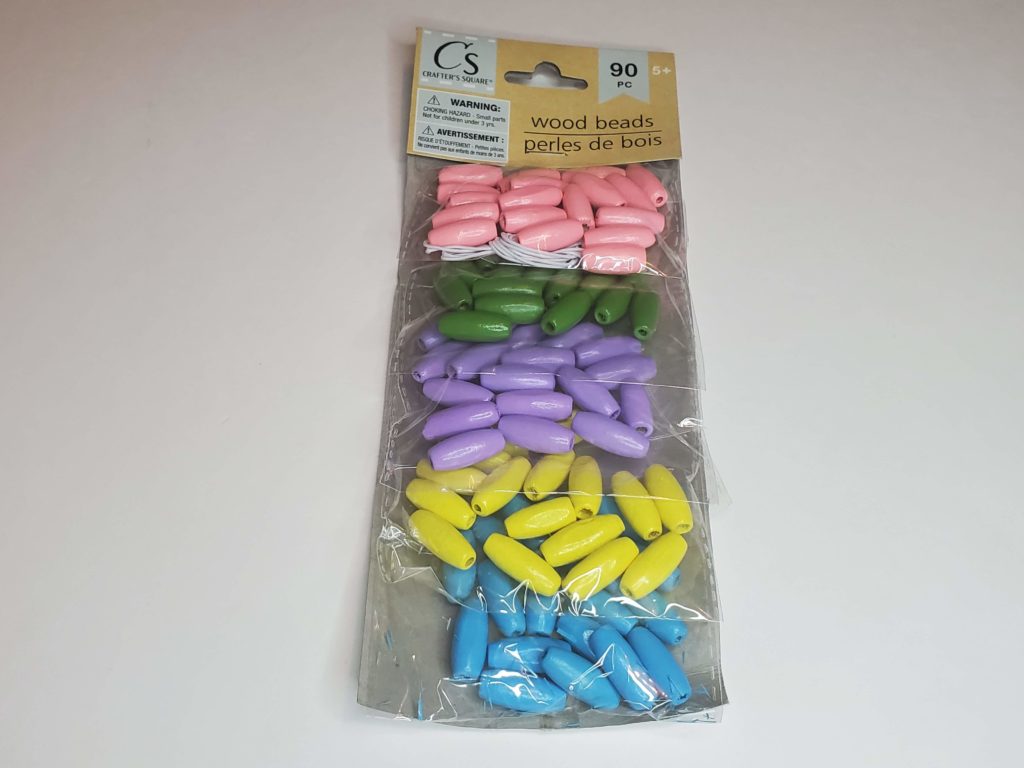
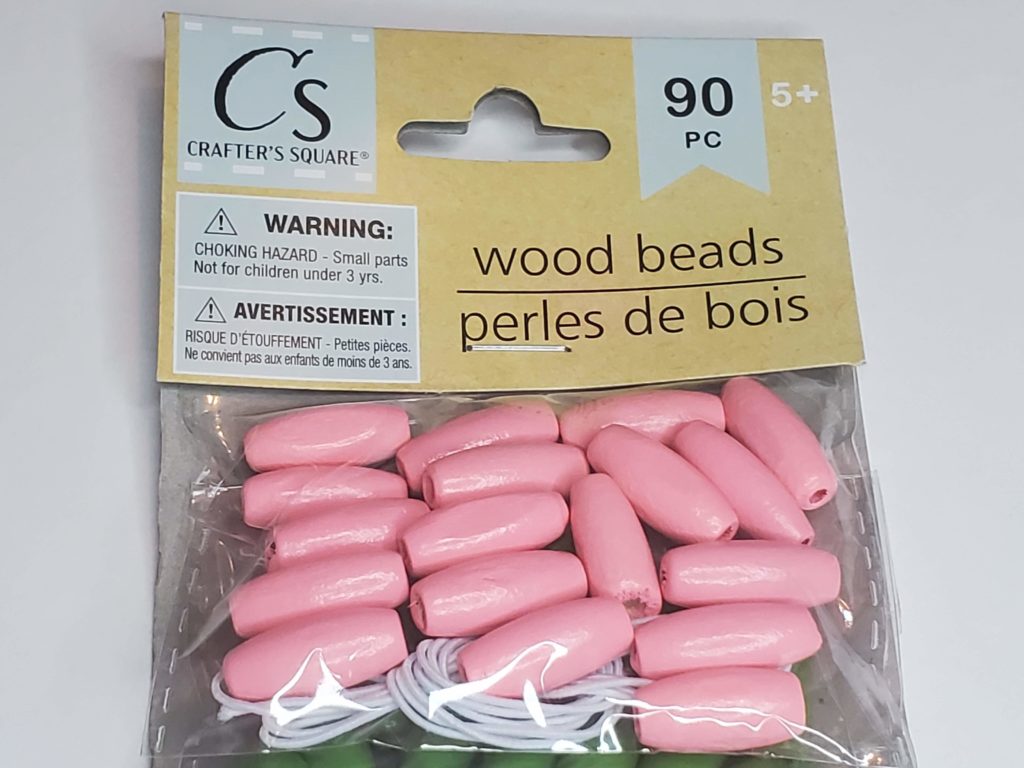
- Counting
- One to one correspondence
- Sorting by color
- Comparing
- Adding within 10 and 20
- Subtracting within 10 and 20
- Multiplying – creating equal groups or arrays
- Dividing – sharing out into equal shares
Plastic Snack or Storage Bags
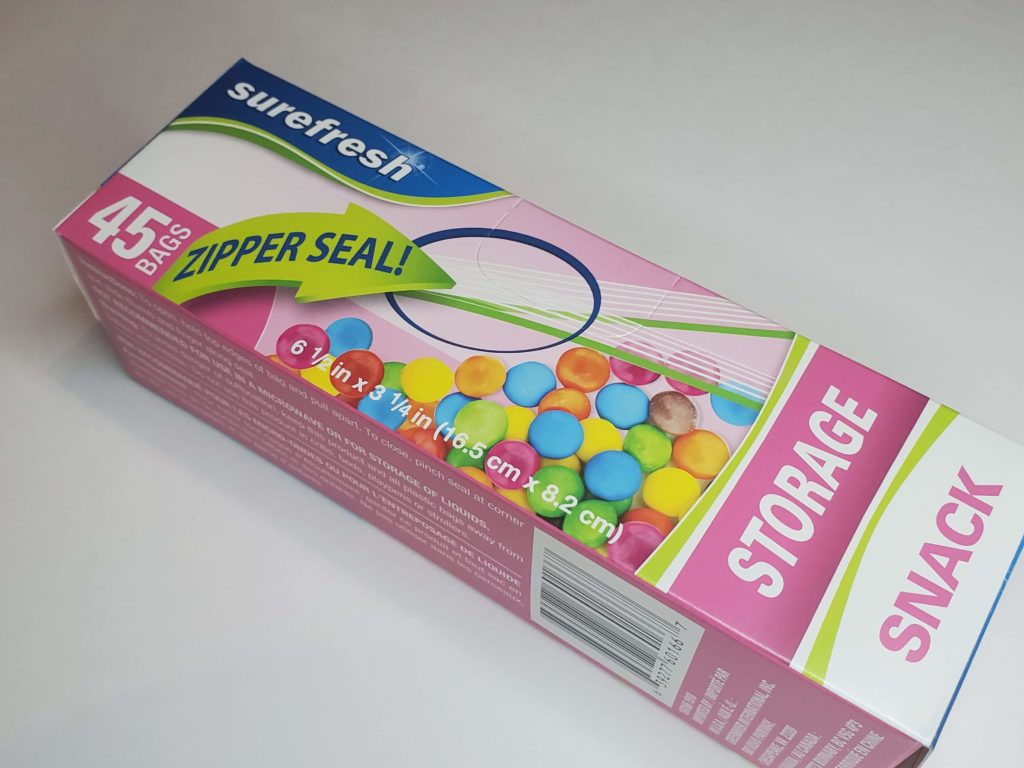
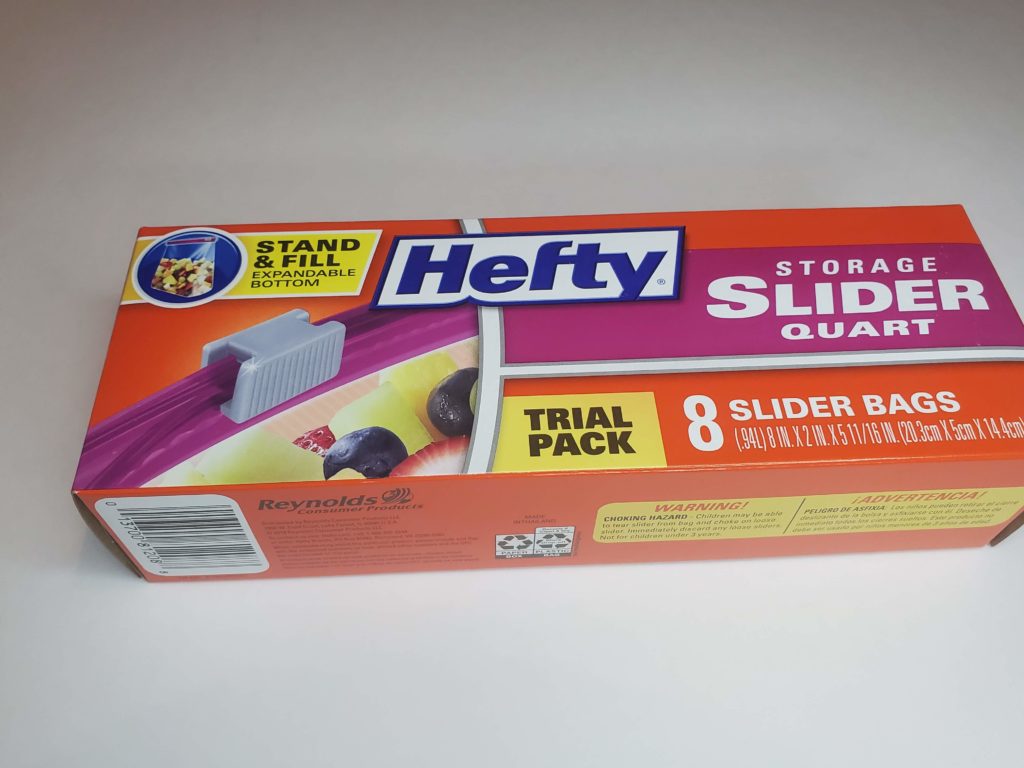
- Use to represent real world problem situations where students are putting actual items into bags
- Hold skill practice games in envelopes for quick access to both teachers and students
Pointer Finger
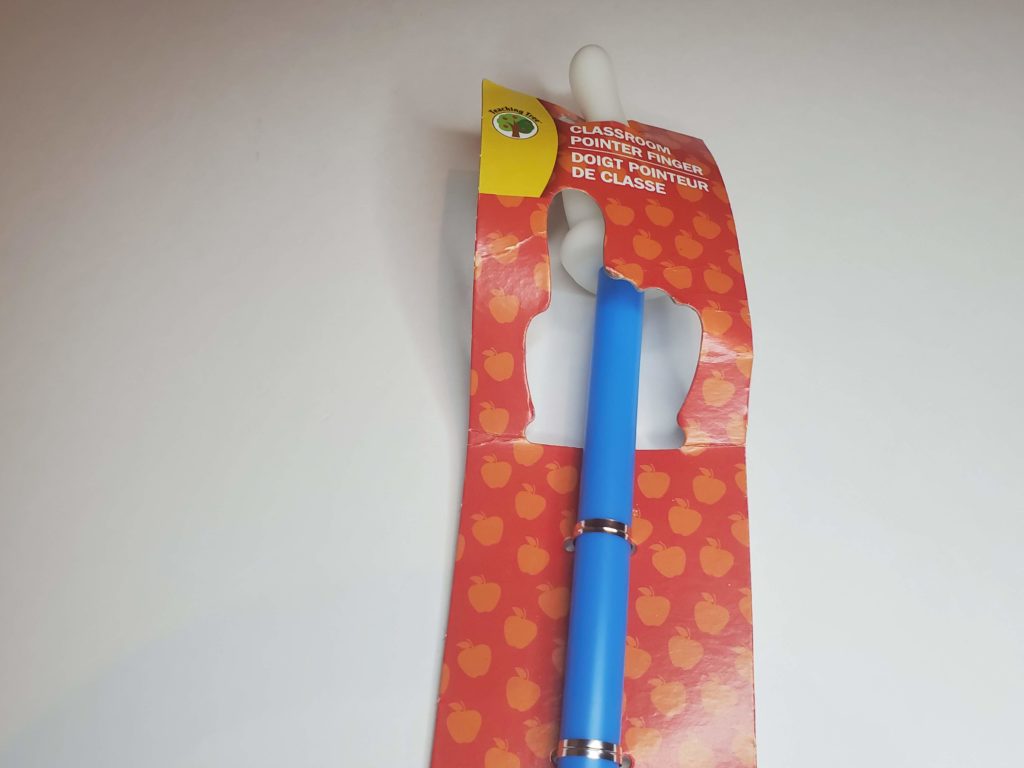
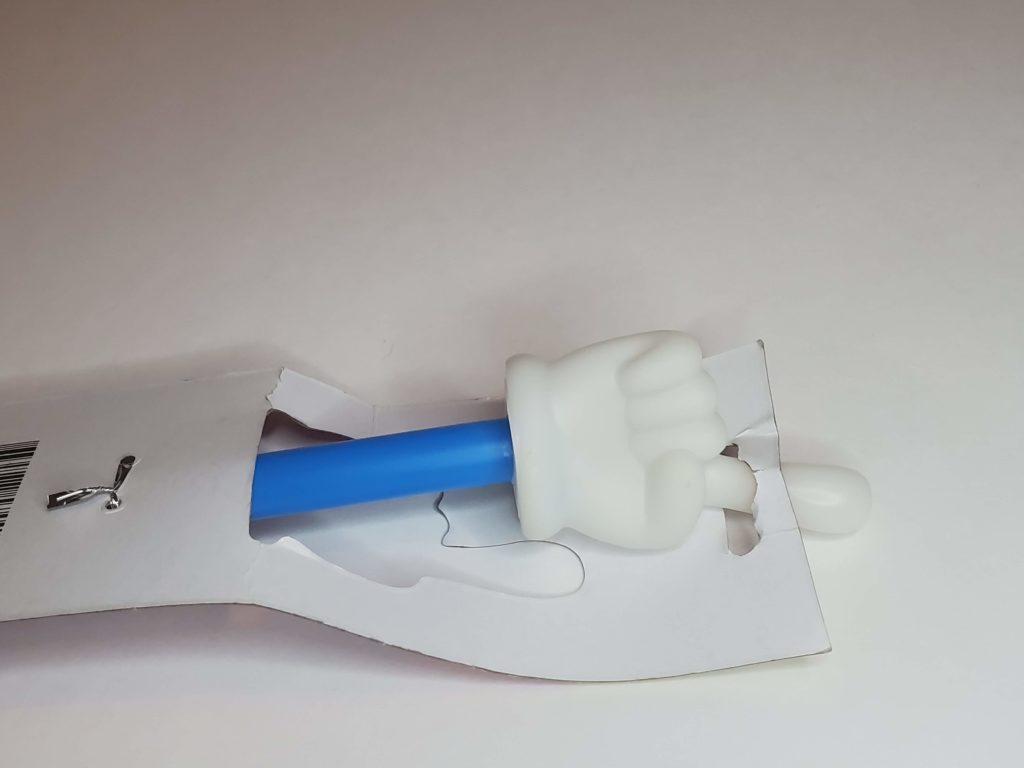
- Use to point to objects not directly in reach
- Students use to point to their work when sharing their work on the board or document camera
- Assists with counting objects and one to one correspondence
Dry Erase Board
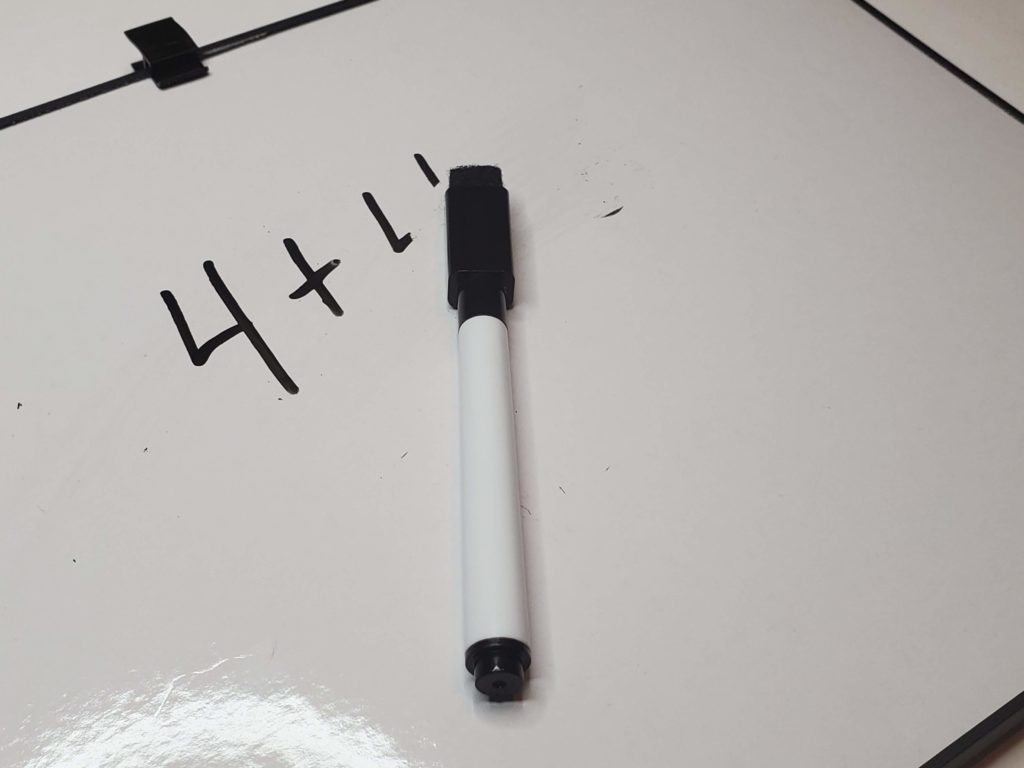
- Show work in a fun way
- Write answers quickly
- Draw picture models
- Use to play fast quiz games where students can write their answers and hold it up to show the class
- Use to model a strategy when working with a small group or one on one
Envelopes
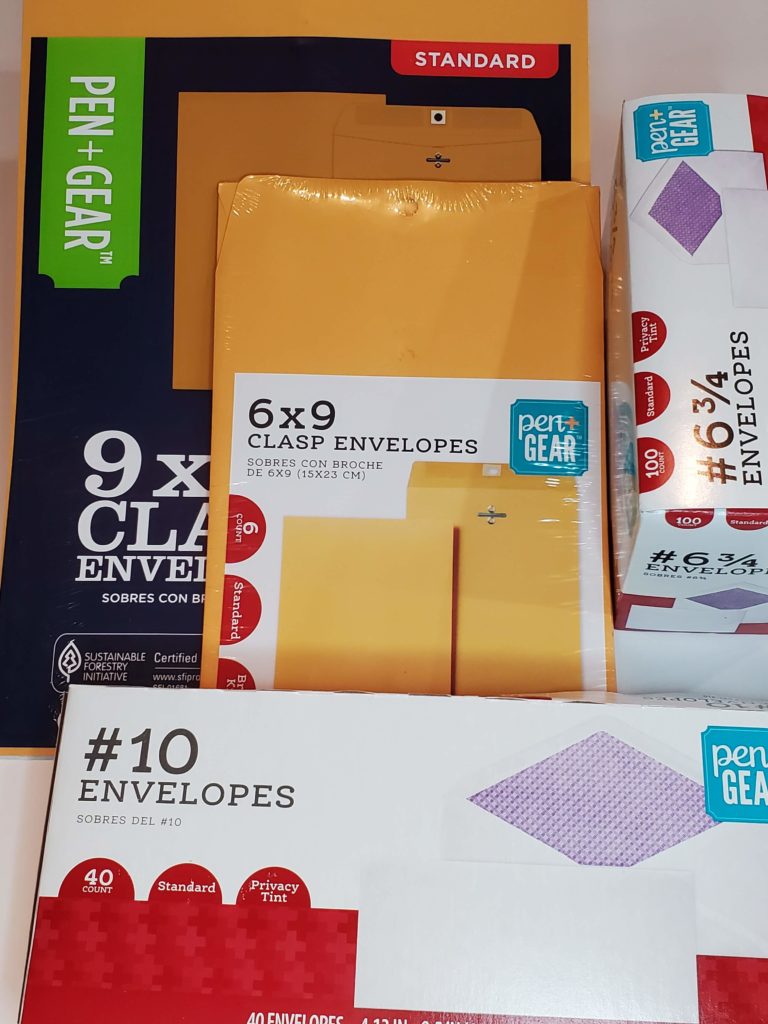
- Write numbers on the envelopes to practice counting and identify numerals
- Order numbers from 1-5, 1-10 or 1-20
- Create Scavenger Hunt or Crack the Code tasks and place them in envelopes to hold clues or instructions
- Hold skill practice games in envelopes for quick access to both teachers and students
There you have it! 24 great items that I found at The Dollar Tree to help support your students or children learn or practice a variety of math concepts and skills.
There were many other items in the store that could be used creatively to implement into a math lesson or practice session.
There were also other variations of some of the items that I chose. I focused on wooden beads, but there were other types of beads to choose from. Anyone who has been to The Dollar Tree knows about their wide selection of party supplies, so when it came to choosing which paper cups or baggies I wanted, I just went with the one I preferred and would use in my classroom. Make sure you select items that you like, if the design matters to you.
I’m very interested in finding out if you have used any of these items for math instruction before or are planning to make a visit and pick one or two of them up. Let me know in the comments below!
To be notified when I post new articles, videos, math game or activity recommendations, please subscribe to my newsletter.
Thanks for the information. It is very useful!
You’re welcome Maria! I’m so glad these suggestions are useful for you.
Awesome! I have some of these! Now I have ideas on how to use them in other subject areas as well such as the foam blocks!