

The instructional part of the lesson is done. Now it’s time for them to practice. This can go really well, or like many lessons, go off track when students begin working independently.
As the teacher, you might have to work with a small group of students, or work one on one with a student.
But how do I keep the other students engaged?
Here are five easy and simple ways to keep students engaged while independently solving math problems.
1. Use Cut or Crumbled strips of paper
2. Use Colored or Fancy Paper
3. Post It Up
4. Place in Envelopes
5. Mystery Bag
Cut or Crumbled strips of paper
A change in texture can help focus a student’s attention while working independently.
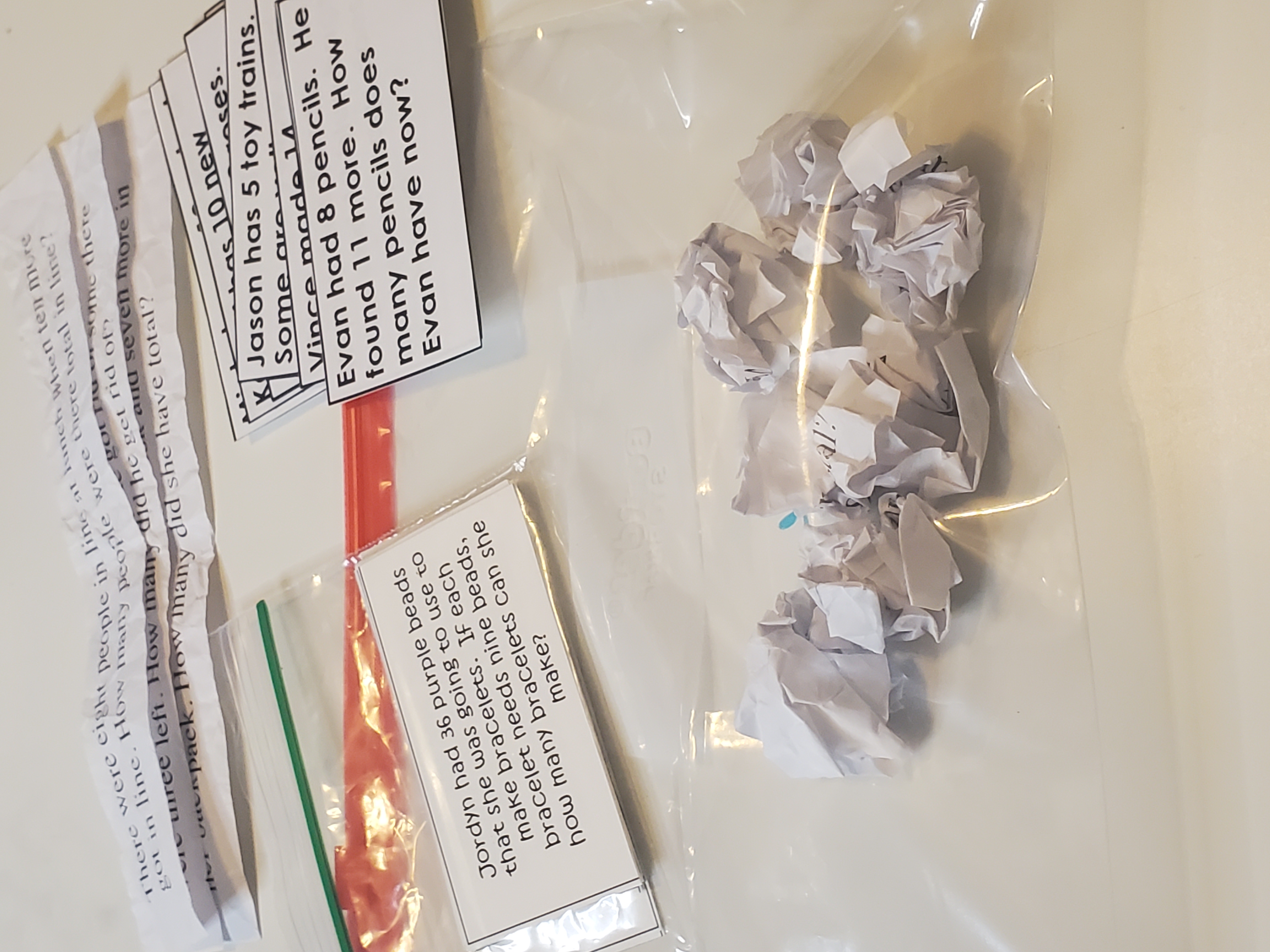
Try out taking a worksheet or set of problems that the students will have to complete and cut them into smaller size pieces of paper. Place them together with a paper clip or pile them up like a deck of cards.
With this simple change, solving the problems can now seem more like a game as well as they now will see each problem individually.
A further step would be to crumble the pieces of paper into tiny balls of ‘trash’.
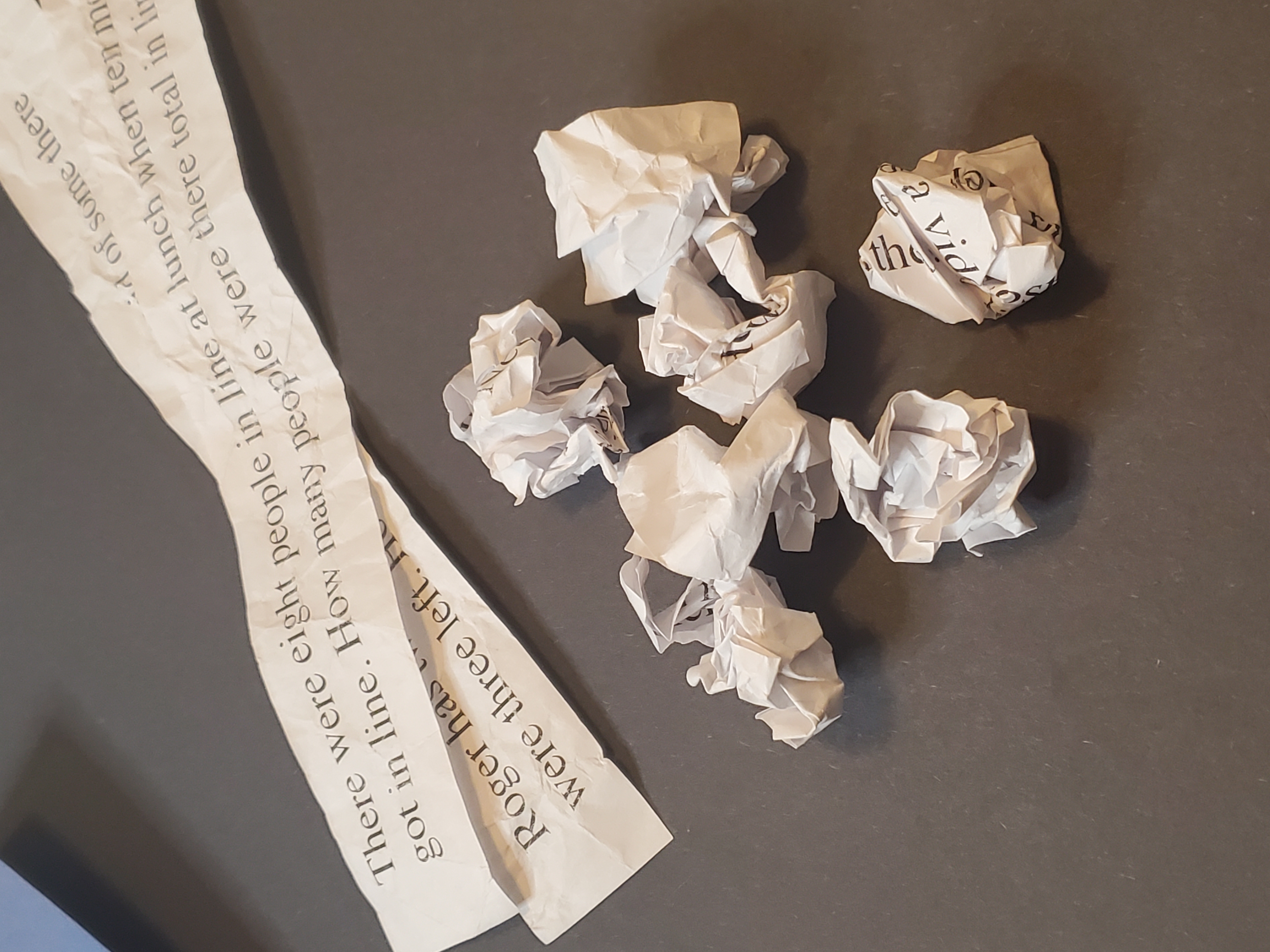
Many children find it funny that they get to unravel ‘trash’ while doing their work.
These small actions also add movement while switching between problems.
This can help them remain productive during their independent time instead of feeling like they are doing the same exact thing for a long period of time.
Colors or Fancy Paper

Pink, yellow, blue, orange!
One thing that is for sure about young children is that they absolutely love to use color!
When you think of elementary school the first thing that probably comes to mind is a pack of crayons.
So why is so much of what we give students to work on, on boring white plain paper?
Get creative and use color to keep students engaged while solving problems!
I know you’re probably saying that there are some workbooks that have color graphics or that you even print out some worksheets using color ink.
That’s great! Keep it up 🙂
But for the many who don’t have color ink to print or the more expensive math workbooks with color graphics inside, try using this simple trick of printing on color paper.
You may already do this for class or home decoration. But what about using it for assignments?
Print out or write out math problems on any colored paper to bring variety to students’ work.
Another option is having blank colored paper for students to show their work on.
I once had a group of students who struggled with showing their work when solving problems.
It’s a frustration that many math teachers deal with.
I pulled out a pack of my colored copy paper that came in five different vibrant colors and let the students choose which color they wanted to use.

Doing this one simple switch made a huge difference and I had way more buy in with students showing their work. It was as if they were getting to draw or color a picture.
Want to get even more bold?
Allow students to use markers, crayons, or colored pencils to complete their work. Oh my!
Will it be messy if they mess up and can’t erase?
Yes! And that is okay.
Math is messy!
It’s actually better when students don’t erase their work because then you are able to see what errors or mistakes they make in their thinking and can later help them through their problem solving.
Using markers or crayons helps to prevent them from erasing their work.
And again, they are drawn to color as if they were creating a masterpiece of their own.
Post It Up
Another very simple way to keep students engaged with their task when working independently is to post up problems around the room.
This idea, as well as the others, can be done at school or at home.
Simply print or write out the problems you want your students to solve and tape them up around the classroom. The problems can be scattered around or numbered so that they have to be solved in a specific order.
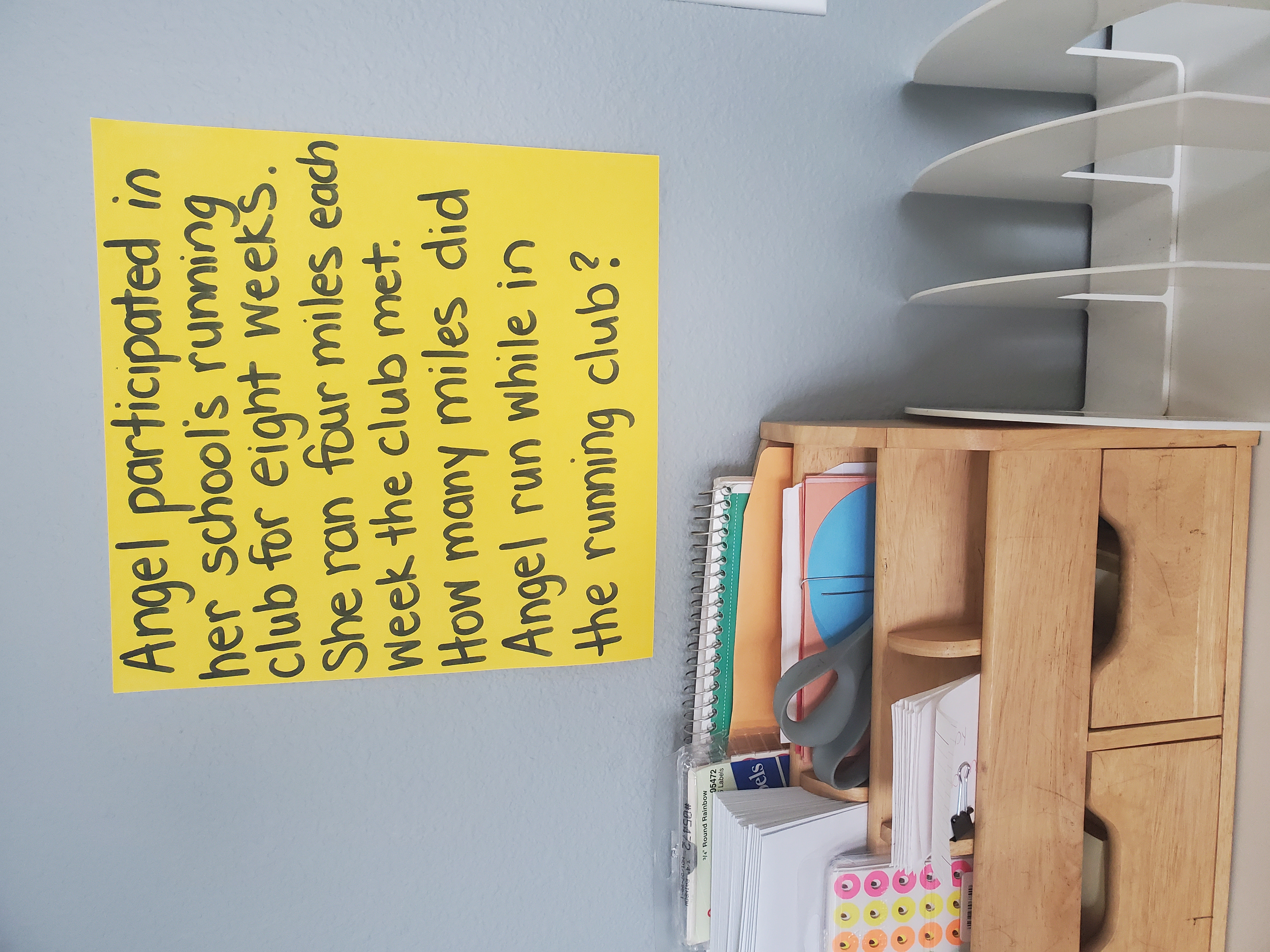
If working with multiple students, you will need to have them start at a random number, then continue moving in order so that they don’t all end up at the same problem.
Use post it notes, printed paper, or anchor chart paper to display problems.
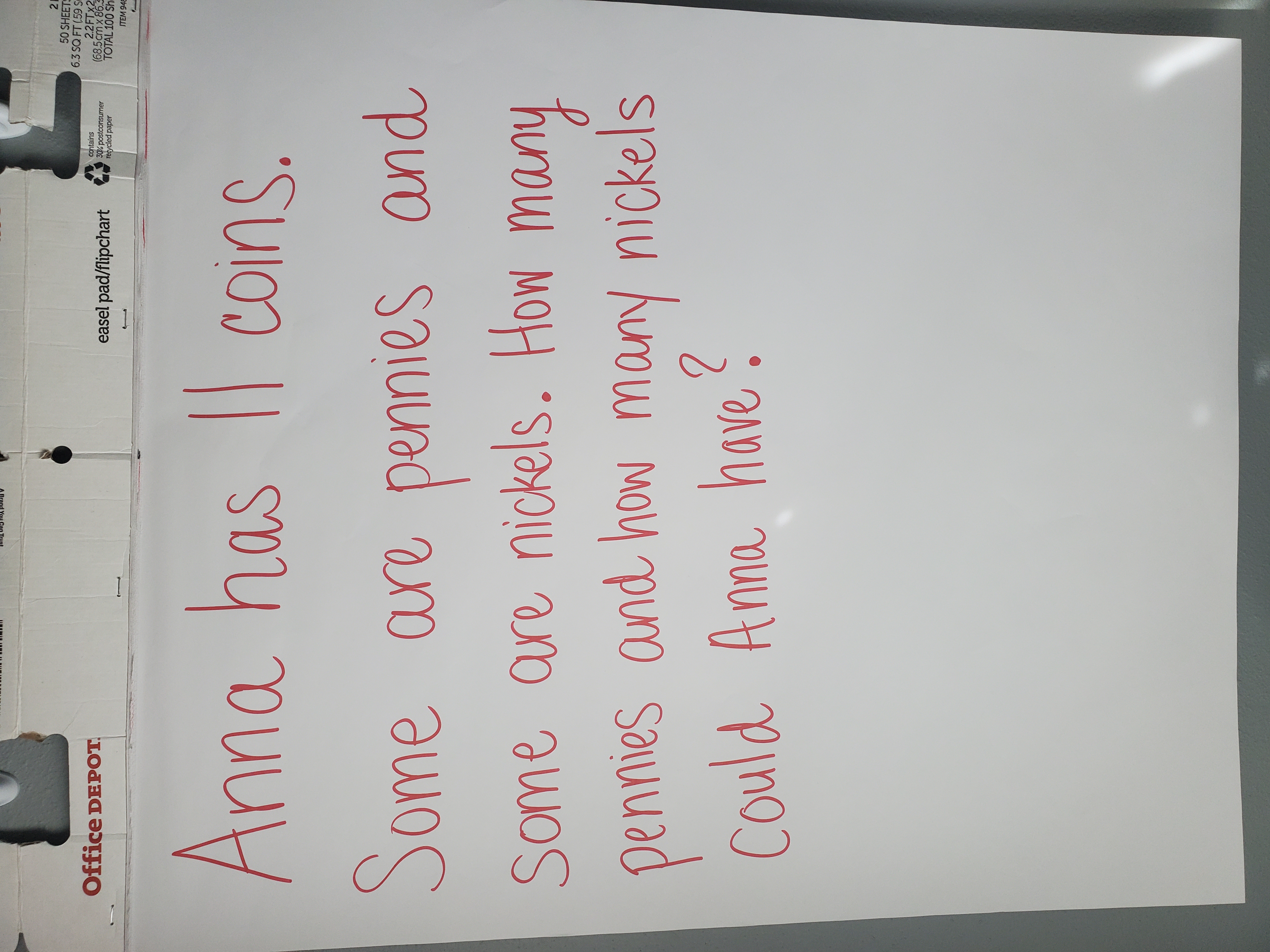
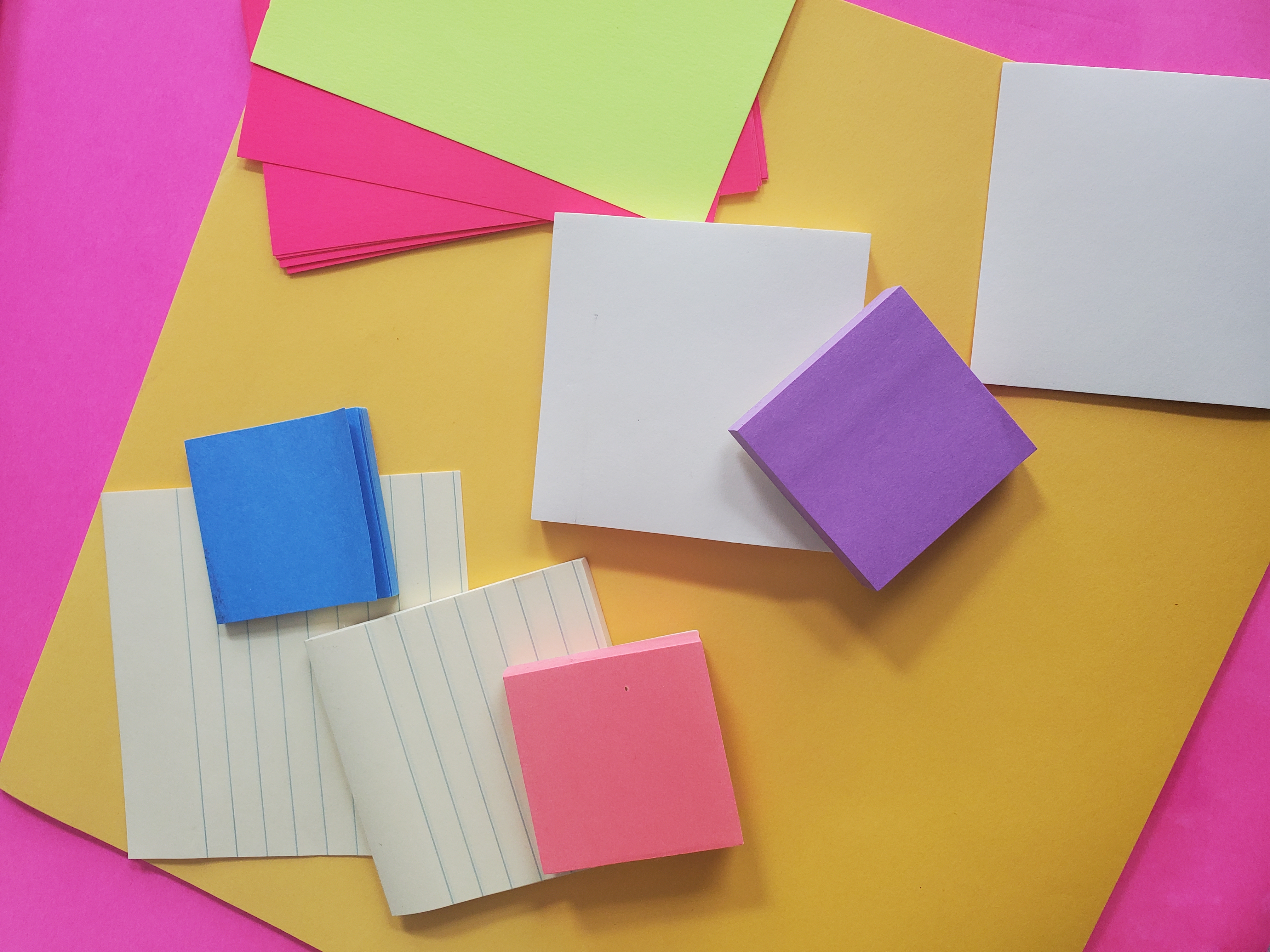
As with the first suggestion, this way gives students a chance to have some movement while working independently.
Definitely set expectations for how you want them to move from problem to problem.
Place in Envelopes
Another way to enhance the idea from suggestion one where you cut up paper into pieces so students see them one at a time is to place the slips of paper into envelopes so that students will pull them out one by one.
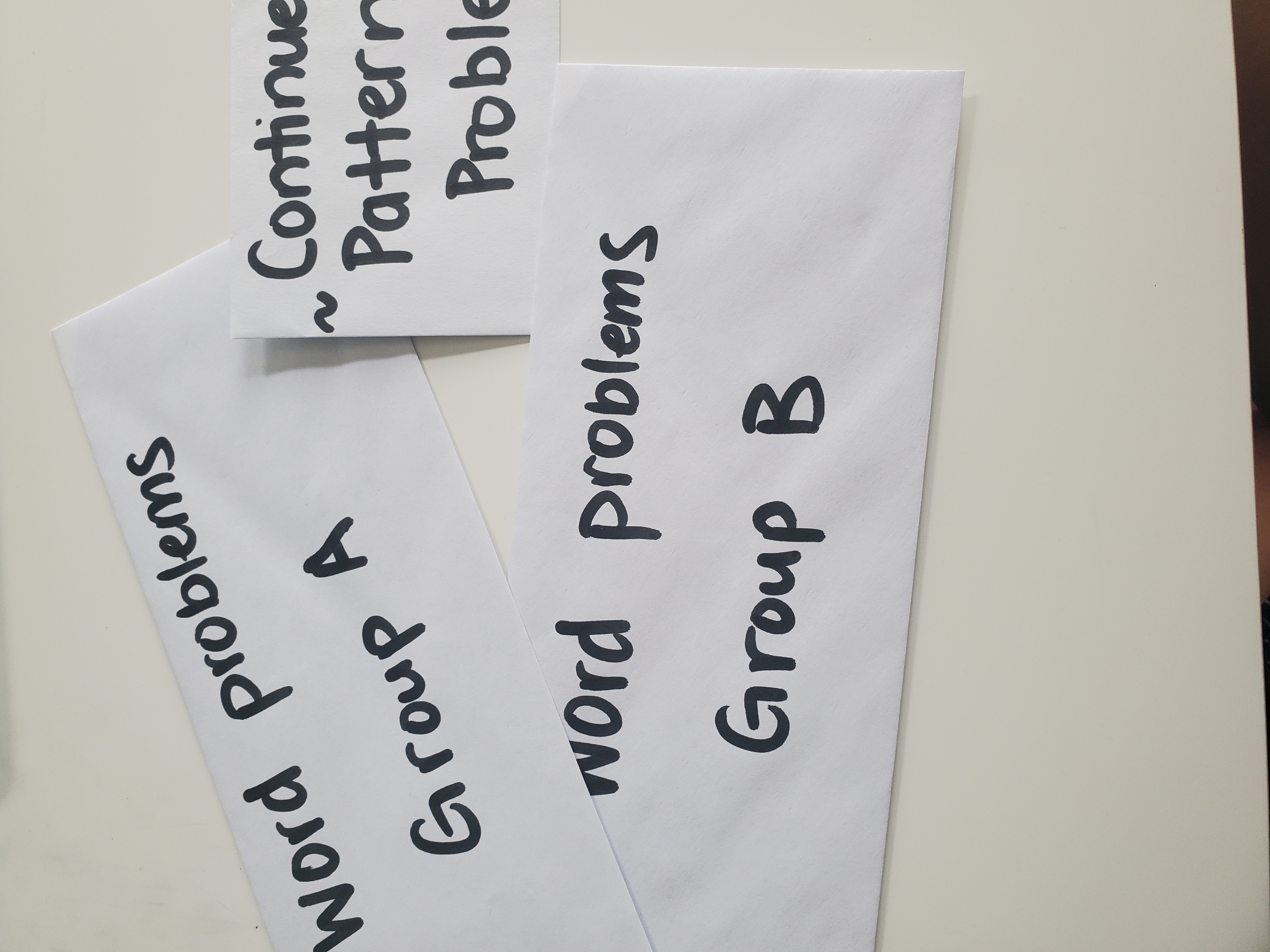
And mix this idea with suggestion three of posting the questions around the room. Add in movement by posting up envelopes around the room so that when a student is finished solving a problem at their desk, they move to another envelope, grab a problem out and then return to their seat to solve it.
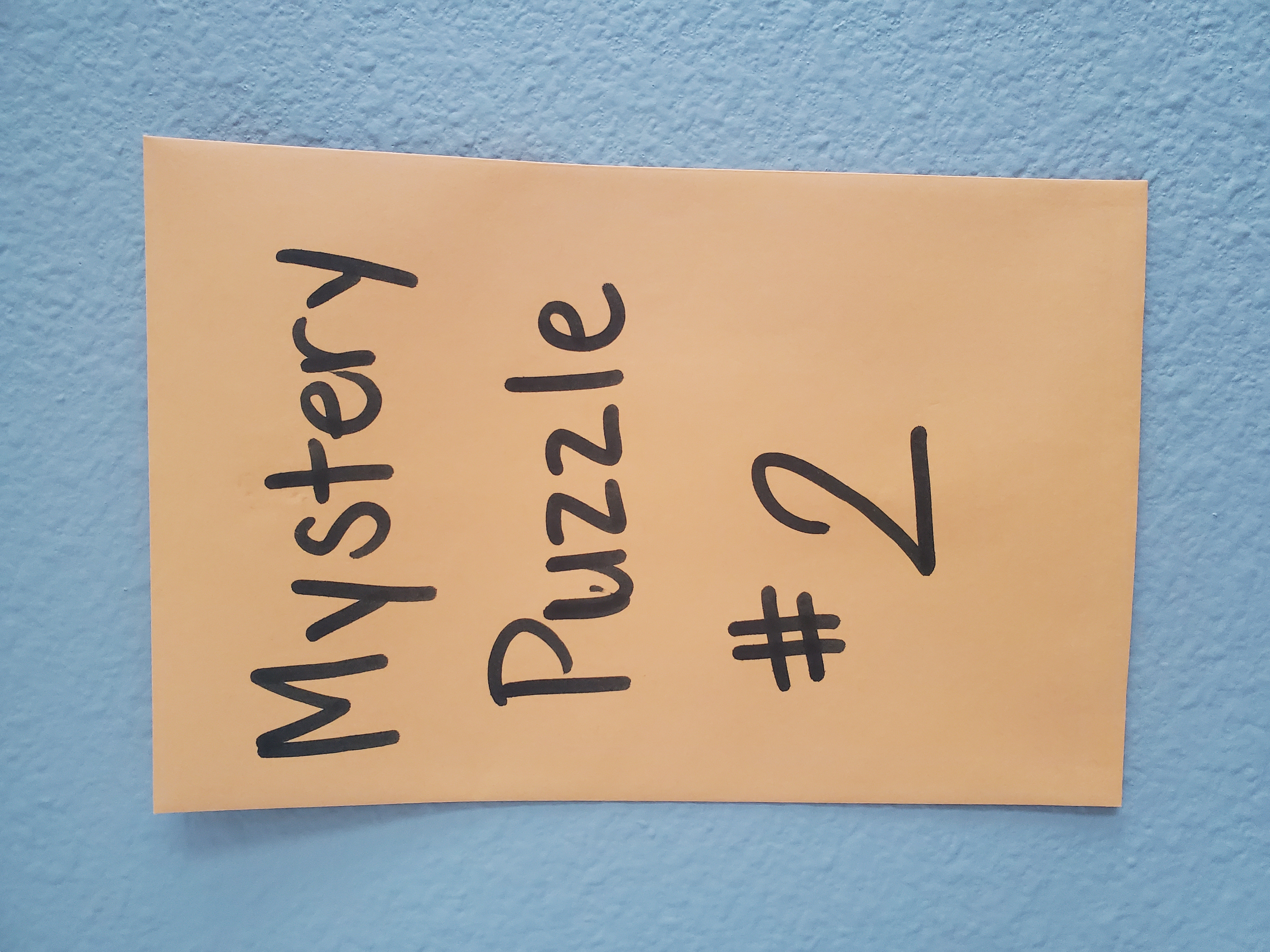

This can be sort of a game like situation where each envelope that they complete a question in can move them up to the next ‘level’.
Mystery Bag
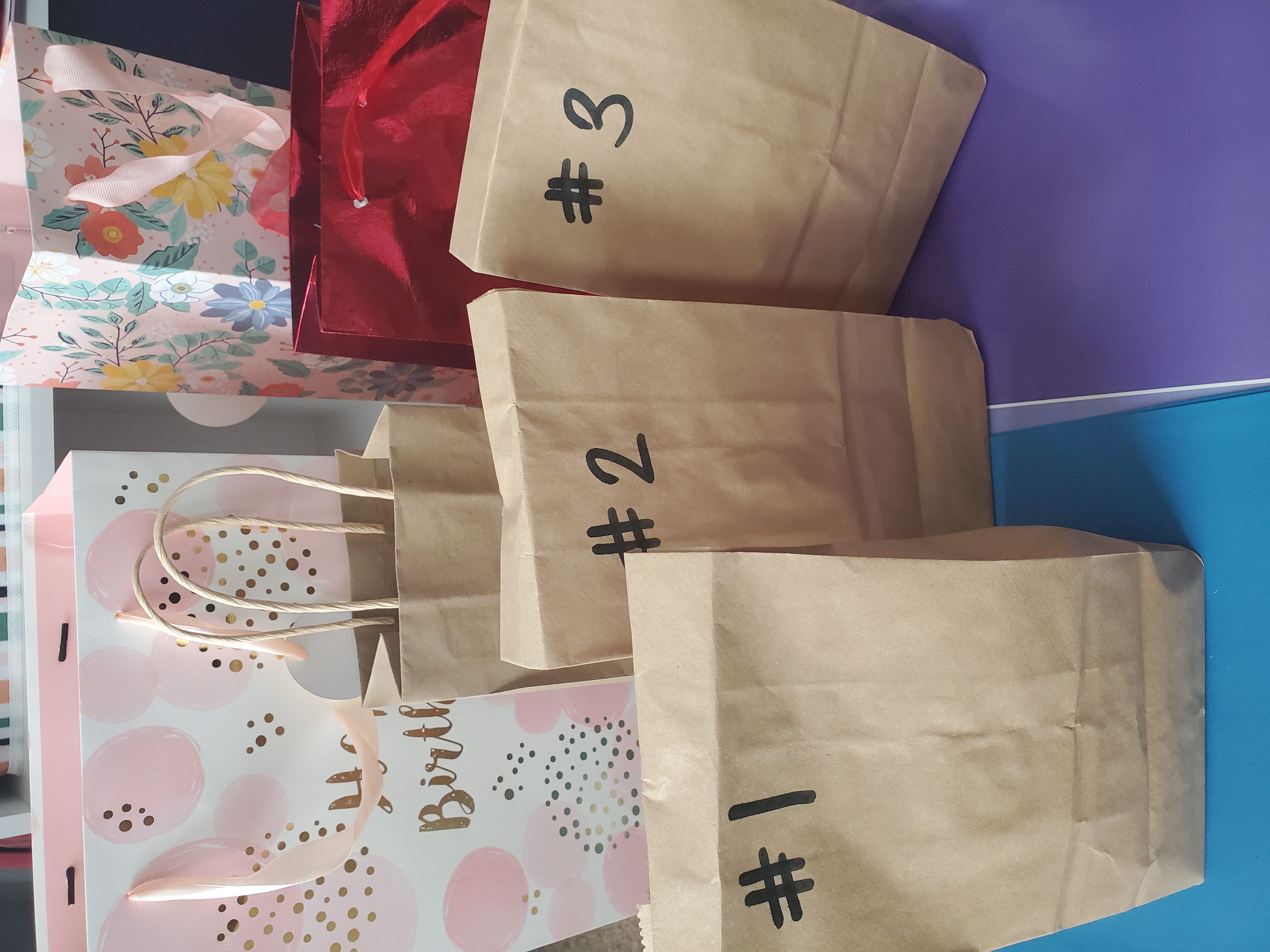
The final bonus way of keeping students engaged while working independently is to hold problems or tasks in mystery bags.
Use old gift bags or even more mysterious – the brown paper bag – to hide problems.
The excitement of finding out what problem they get makes it more fun for students to want to solve each problem.
Add another level of excitement to the mix by placing other objects in the bag with different textures with the problems so that students have to move their hands around in the bag in order to reach the next problem.
Now you have a fun game of ‘fear factor’ with math problems!
There are many other ways to get and keep students engaged when working with a group or independently on their own.
Of course technology can play a huge role.
These are just five simple ways that you can keep students focused while working with a few materials that you probably already have in your classroom today.
Which of these have you tried before or will try very soon?
